
Featured Properties

Top 10 Things To Do In Kadugli, Sudan
Some places feel ancient, their culture so deep it seems to breathe. Kadugli, the heart of Sudan’s Nuba Mountains, is one of those places. It’s a city defined by stunning granite peaks and traditions as old as the land itself. But today, that pulse is faint. Kadugli is caught in a brutal war, a struggle that makes visiting impossible.
This is not a travel guide. It’s a record for the Nuba diaspora, a window into a culture at risk, and a clear warning to the world. We’ll explore the heritage that defines this land from the powerful rituals of wrestling to the quiet ingenuity of a tukul home while facing the hard truth of the crisis that grips it now.
Essential Findings
- Kadugli is an active and dangerous war zone. Governments and aid groups strongly advise against any travel due to combat and the risk of being kidnapped.
- The city is the center of the Nuba Mountains, a region with over 50 unique ethnic groups living in a distinct mountain ecosystem.
- Traditional practices like Nuba wrestling and the Kambala harvest dance are central to Nuba identity but are now silenced by conflict and displacement.
- The war has cut off supply lines to the historic Kadugli Souq, leading to empty shelves and soaring prices.
- Despite decades of war and neglect, the Nuba community’s spirit endures, a strength powerfully shown in media like the film Beats of the Antonov.
The Current Security Situation in Kadugli
Kadugli is an active war zone. It is not a place for tourists. Your interest in the region should be purely educational or focused on supporting humanitarian aid from a safe distance. Since Sudan’s civil war erupted in April 2023, the situation in South Kordofan has spiraled. The city has become a battleground, caught between the Sudan Armed Forces (SAF), the Rapid Support Forces (RSF), and the Sudan People’s Liberation Movement-North (SPLM-N al-Hilu).
Data from the Armed Conflict Location & Event Data Project (ACLED) shows hundreds of violent clashes in South Kordofan since the war began. These aren’t minor fights, they involve shelling, airstrikes, and street-to-street combat that tear through neighborhoods. The UN Office for the Coordination of Humanitarian Affairs (OCHA) confirms that thousands of civilians have been forced from their homes.
Roads in and out of Kadugli are often blocked by armed militias, making travel a deadly gamble. Aid organizations can barely get in, which means if you run into trouble, no one can help you. Governments like the U.S. and the UK have issued their highest-level ‘Do Not Travel’ warnings for all of Sudan, especially this region.
The Cultural Crossroads of the Nuba Mountains
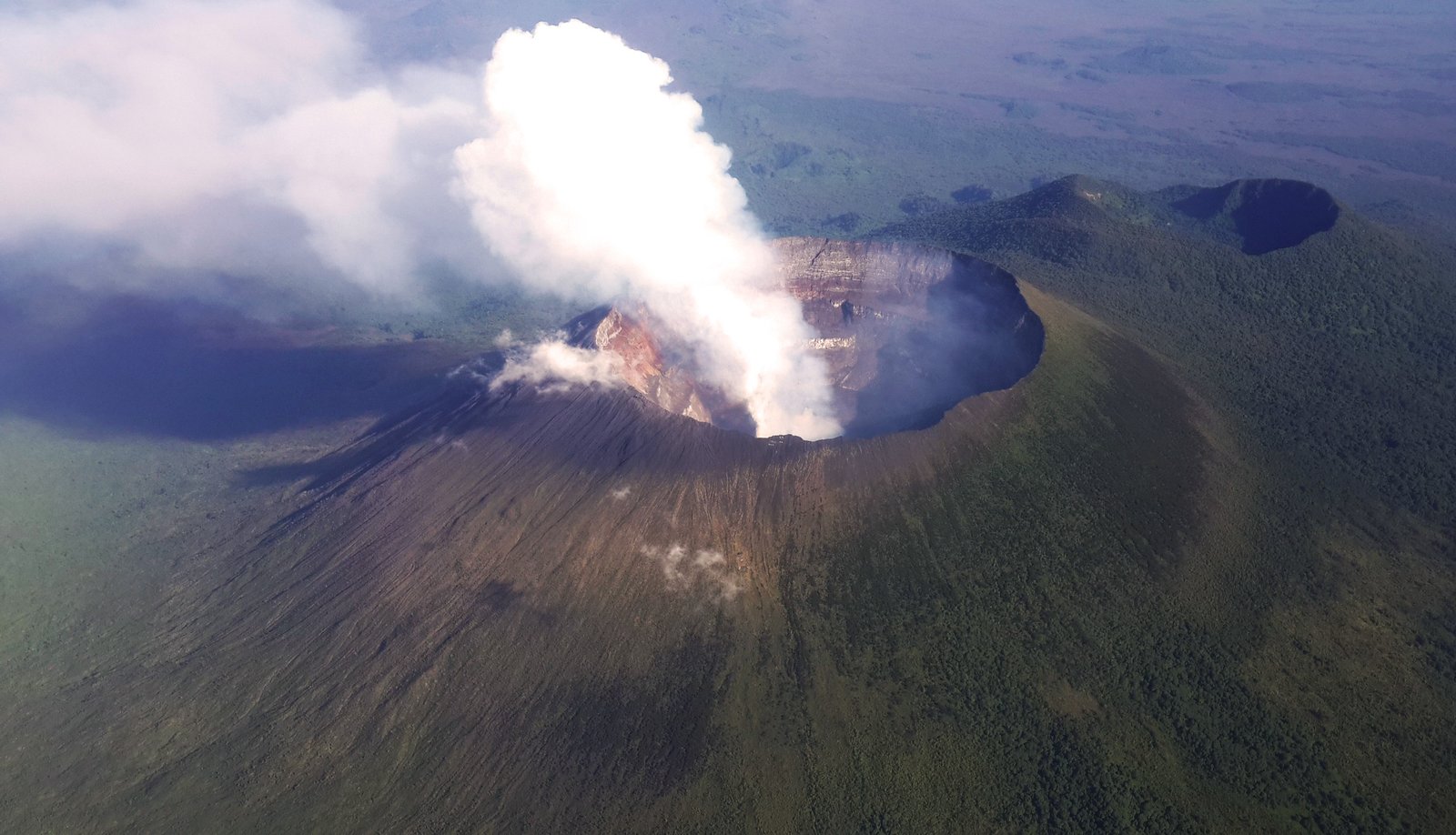
While Kadugli is the capital of South Kordofan state, its true importance runs much deeper. For generations, it has been the economic and social heart of the Nuba Mountains. This area is a series of nearly 100 granite hills, called inselbergs, that shoot up from the surrounding plains. These natural fortresses have long helped the Nuba peoples protect their independence from rulers in Khartoum.
The region is an anthropological treasure. It’s home to more than 50 different ethnic groups, all known collectively as the Nuba. Many of these groups have their own unique language, traditions, and art. Kadugli was the vibrant meeting point where people from the hills came to trade with the Arab cattle-herders of the plains, known as the Baggara.
The city was once a key trading hub for gum arabic and livestock. Its strategic location, however, has also made it a target. In both the Second Sudanese Civil War and the current conflict, controlling Kadugli means controlling the state’s resources and holding political power.
A Cultural Cornerstone
If the Nuba Mountains have one iconic cultural export, it’s wrestling. This isn’t just a sport. It’s a rite of passage, a celebration of a good harvest, and a way for communities to build honor and give thanks. The tournaments traditionally kick off after the crops are in, celebrating the strength of the land and the young men who protect it.
The Rituals and Rules of Engagement
Wrestlers, or surkwata, compete for the pride of their village. The goal is straightforward but incredibly difficult, throw your opponent flat on the ground. There are no points, only a clean takedown wins the match.
These events are loud, joyful, and full of music. Drums and the kponing, a five-string lyre, drive the energy. The crowd sings and chants, making the match a shared performance. The wrestlers coat themselves in ash, which helps with grip and marks their transformation from ordinary men into champions of their people.
Historical Significance and Global Recognition
The striking images of Nuba wrestling first reached the world through the photographs of George Rodger and Leni Riefenstahl in the mid-20th century. Their work introduced the powerful physique of the Nuba and the raw beauty of their homeland. For the Nuba, however, wrestling is an ancient tradition. Tournaments in Kadugli once drew crowds of thousands. Today, the fighting has made these large gatherings impossible, silencing the arenas that once celebrated Nuba identity.
A Historic Snapshot of Regional Trade and Daily Life
The Kadugli souq, or market, was once the lively center of South Kordofan. It was the place where farmers from the mountains sold their crops and herders from the plains traded their animals. To understand this market is to see both the region’s potential and its current pain.
Key Products and Economic Importance
- Agriculture- Farmers brought sorghum, millet, sesame, and groundnuts down from their terraced farms on the hillsides.
- Livestock- The market was a major exchange for cattle, sheep, and goats raised by local herders.
- Natural Resources- South Kordofan produces much of the world’s gum arabic, a key export for Sudan. Kadugli was the hub where this tree resin was collected and sold.
- Handicrafts- The souq was filled with Nuba art, including decorated pots, colorful beadwork, and gourds carved with beautiful geometric patterns.

The Impact of the Current Conflict
The war has destroyed this vital economic hub. The Famine Early Warning Systems Network (FEWS NET) reports that trade routes are cut off. Farmers can’t reach their fields, and traders can’t get goods into the city. As a result, food prices in the market have shot up, and many stalls are empty. The vibrant, chaotic market of memory has been replaced by scarcity and survival.
Nuba Music and Dance
In the Nuba Mountains, music isn’t just for entertainment, it’s a living archive. The region’s sound is heavy on rhythm and percussion, providing the soundtrack for every major life event, from weddings to funerals. Without a widespread written history, songs carried the stories, laws, and lineages of the tribes from one generation to the next.
Dance is woven into this sound. The most famous is the Kambala, a harvest dance. Men wear buffalo horns and strap rhythmic bells to their ankles, stomping together to mimic the movement of cattle. It’s a dance that celebrates the vital bond between the people and their animals.
The Instruments of Nuba Sound
- Kponing- A large, five-string lyre, similar to the rababa found elsewhere in Sudan, that carries the melody.
- Drums- Drums of all sizes create the complex, layered rhythms that are the signature of Nuba music.
- Horns and Flutes- Instruments made from the horns of Kudu or cattle and hollowed-out gourds add melodic flair and signals.
A Landscape of Conflict and Resilience
To grasp the violence of today, you have to look at the region’s past. Kadugli and the Nuba Mountains have always been stuck in a difficult position, caught between the identities of ‘North’ and ‘South’ Sudan.
Pre-Colonial Autonomy and The Colonial Era
Before British rule, the Nuba communities lived independently on their hilltops, fending off slave traders. The Anglo-Egyptian government (1899–1956) made Kadugli its administrative center. It also created ‘Closed Districts Ordinances,’ which limited travel into and out of the Nuba Mountains. This policy helped preserve the local culture but also cut the region off, leaving it underdeveloped compared to the rest of the country.
Post-Independence Conflicts and The Comprehensive Peace Agreement (CPA)
During Sudan’s long civil wars, many Nuba joined the Sudan People’s Liberation Army (SPLA) to fight the government in Khartoum. They were fighting for protection from state-backed militias and against forced religious conversion. The 2005 Comprehensive Peace Agreement (CPA) ended the war between North and South but left the status of South Kordofan unresolved. The failure to hold a promised vote on the region’s future led to a new war in 2011, which has now merged with the current nationwide conflict.
Traditional Nuba Homes and Villages
The Nuba people are skilled builders, using local materials to create homes perfectly suited to a demanding climate. The traditional Nuba home is the tukula circular mud-brick house with a cone-shaped roof made of thatched grass.
A family lives in a compound of several tukuls linked by low walls. The design is brilliant. The thick mud walls keep the inside cool during the blistering heat, and the pointed roof helps the heavy seasonal rains run right off. Villages were traditionally built high on the hills for protection, making them hard to attack.
In the town of Kadugli, you see this style mixed with modern rectangular buildings made of brick and concrete. But the tukul remains the enduring symbol of Nuba family life. Women often paint the walls, inside and out, with natural dyes, creating patterns that tell the story of the family that lives there.
Agriculture and Cuisine in South Kordofan
The Nuba are farmers who mastered the art of terrace farming to grow crops on the steep mountain slopes. This clever technique stops soil from washing away and helps trap precious rainwater in a dry region.
Staple Foods and Local Dishes
Sorghum, or dura, is the foundation of every meal. It’s ground into flour to make two main dishes,
- Aseeda- A thick porridge that is the base of most meals.
- Kisra- A thin, spongy flatbread made from fermented sorghum.
These are usually served with a stew called mullah, often made with goat or beef and thickened with waika (dried okra powder). Sesame and groundnuts (peanuts) are also essential crops, providing oil and protein.
Food Security in a Time of Crisis
The World Food Programme (WFP) has repeatedly warned that South Kordofan is a hunger hotspot. The war has driven farmers from their terraces. Food stores have been looted or burned. The rich cuisine that defines this land is now a distant memory for many displaced families who depend on inconsistent aid to survive.
The Unique Biodiversity of the Nuba Mountains Ecosystem
The geography of the Nuba Mountains creates its own microclimate. The granite hills trap rain clouds passing over the plains, giving the area more rainfall. This has created an ecological ‘island’ with a rich variety of life.
The landscape is marked by huge Baobab trees (Adansonia digitata) and Acacias, which provide food, medicine, and shade. The region once had healthy populations of Kudu, baboons, and leopards. But decades of environmental damage and the constant noise of war have driven much of the wildlife away. Conservation efforts are impossible right now, but the unique plants still stand as a reminder of the region’s natural beauty.
Resilience and Cultural Survival of the Nuba People
The truest feature of Kadugli isn’t the granite hills or the gunsit’s the spirit of its people. For decades, the Nuba have endured bombings and blockades, yet they have refused to let their culture be erased.
Community bonds are strong here. In areas outside of government control, people have organized their own schools and clinics. For the Nuba, cultural survival is a form of resistance. The award-winning documentary Beats of the Antonov by Hajooj Kuka shows this perfectly. The film captures refugees singing and dancing in the face of airstrikes, arguing that holding onto your identity is just as critical as physical survival. The people of Kadugli are still fighting for a future where they have the right to their land, their culture, and their peace.
Frequently Asked Questions
Is it safe to travel to Kadugli, Sudan right now?
No, it is extremely dangerous. The US State Department and the UK’s FCDO have issued clear ‘Do Not Travel’ advisories for the entire country, highlighting Kadugli as a center of active combat. Traveling there would void any insurance, and with no consular services available, you would be entirely on your own in a war zone where kidnapping and violence are rampant.
What is the current conflict in Kadugli about?
It’s a complex fight for power on both a national and local level. The conflict involves the Sudan Armed Forces (SAF) and the Rapid Support Forces (RSF) battling for control of the country, while a local group, the SPLM-N (al-Hilu faction), fights for the autonomy and protection of the Nuba people. Since Kadugli is the state capital, controlling it is a key strategic goal for all three groups, making it a focal point of the violence.
Who are the Nuba people?
The Nuba are not a single tribe but a collection of over 50 distinct ethnic groups native to the Nuba Mountains. They are known for their linguistic diversity, unique cultural practices like wrestling, and a long history of resisting assimilation from the Arabized center of Sudan. They practice a mix of Islam, Christianity, and traditional African religions, making their cultural identity highly distinct.
Where are the Nuba Mountains located?
The Nuba Mountains are in South Kordofan state, in the southern part of Sudan. This region covers about 48,000 square kilometers and consists of granite peaks rising dramatically from the flat Sahel plains. Geographically, they are in the center of Sudan, but politically and economically, they have long been on the margins.
What is Nuba wrestling and why is it important?
Nuba wrestling is a traditional form of grappling that is central to Nuba culture. The goal is to slam an opponent to the ground, but it’s far more than a sport, it’s a rite of passage for young men, a celebration after the harvest, and a powerful symbol of a village’s strength and honor. It unifies the diverse Nuba communities and represents their connection to the land.
What is the capital of South Kordofan?
Kadugli is the capital city. It functions as the state’s main administrative and commercial center. Historically, it was established as an outpost by the British colonial administration, and today its control is heavily contested due to its strategic importance in the ongoing war.
What is Gum Arabic and why is it important to Sudan’s economy?
Gum Arabic is a natural sap harvested from the Acacia tree, and it’s a critical ingredient used worldwide as a stabilizer in everything from soft drinks to medicine. Sudan is the world’s largest producer of this valuable commodity, with South Kordofan being a major production zone. According to reports from organizations like the Rift Valley Institute, the war has severely disrupted this trade, hurting both local incomes and the national economy.
What language is spoken in Kadugli and the Nuba Mountains?
The region is a mosaic of languages, with no single dominant tongue. The Nuba peoples speak around 50 different languages, many of which are endangered and preserved only through oral tradition. For communication between different groups, Sudanese Arabic serves as the common language, or lingua franca, especially in markets and towns.
What are the main causes of the long history of conflict in South Kordofan?
The conflict is rooted in decades of political and economic marginalization by Sudan’s central government. The Nuba people have long fought against policies of forced Arabization, neglect of their region, and the extraction of local resources like oil without benefit to the community. The failure to resolve the region’s political status after the 2005 peace deal was a direct trigger for renewed fighting in 2011, which continues today.
How has the war in Sudan affected daily life and the economy in Kadugli?
The war has caused a complete breakdown of normal life and the economy. The Famine Early Warning Systems Network (FEWS NET) reports that markets are often empty, food prices have soared, and basic services like water and electricity are gone. Schools and hospitals have been damaged or closed, and as documented by UN OCHA, many thousands of people have been forced to flee their homes to escape the constant shelling and fighting.
What is the film ‘Beats of the Antonov’ about?
It’s a powerful documentary by Sudanese filmmaker Hajooj Kuka that explores cultural survival amid war in the Nuba Mountains. The film shows how Nuba communities use traditional music and dance as a way to cope with the trauma of constant aerial bombardment from government Antonov planes. It powerfully argues that preserving one’s identity and finding joy are acts of resistance, a theme that earned it the People’s Choice Award for Documentary at the Toronto International Film Festival.
How can I support humanitarian efforts for people in the Nuba Mountains?
The safest and most effective way is to donate to established international organizations with a presence in Sudan. Groups like Médecins Sans Frontières (MSF) and the World Food Programme (WFP) have the logistical capability to deliver aid, though access is extremely difficult. You can also raise awareness about the crisis, as international pressure can help create corridors for humanitarian aid. Avoid sending funds to unverified individuals and instead rely on reputable organizations.