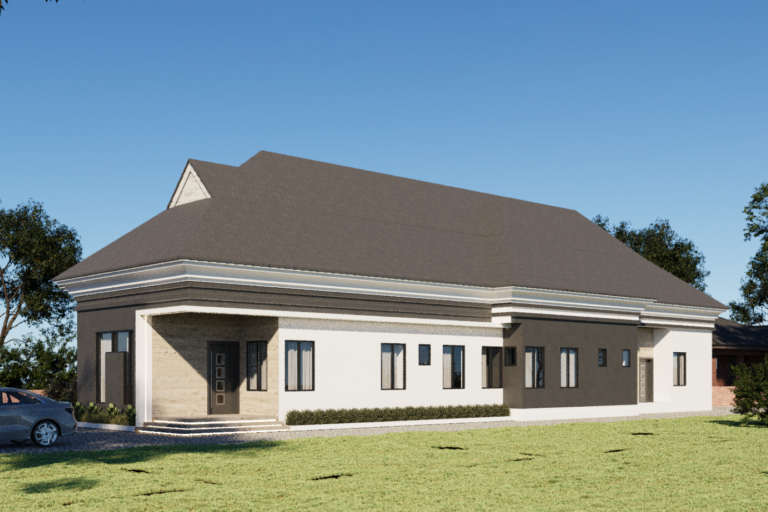
Featured Properties

How To Build A Construction Company
That pull to build something back home is more than just a business idea,it’s about legacy. It’s a chance to turn your hard-earned capital into a company that not only creates wealth but also reshapes the skyline of the community you’re from. But let’s be honest, turning that vision into a real, profitable construction company from thousands of miles away is a huge challenge.
You’re up against distance, unfamiliar rules, and the constant worry of finding people you can truly trust. This is your blueprint for bridging that gap, blending world-class standards with on-the-ground realities to build a business that lasts.
Key Notes
- Decide if you’ll be a general contractor managing entire projects or a specialist mastering a specific trade. This choice dictates your startup costs and profit potential.
- A solid business plan is your ticket to getting funded by banks or diaspora investment groups.
- The right legal structure (like an LLC or PLC) and proper insurance are your best defense against business risks.
- You’ll need a smart mix of full-time employees and trusted subcontractors to stay flexible and in control.
- Use tools like Procore and drone technology to keep a close eye on your projects, no matter where you are.
- Pour profits back into the business and build your bonding capacity to start winning bigger, more lucrative contracts.
Defining Your Focus in the African Market
Your first big decision is where to play. This choice shapes everything,how much money you’ll need, who you’ll hire, and what your daily challenges will be. While the U.S. construction market is massive, valued at $2.1 trillion in 2024 according to IBISWorld, the real story is the explosive growth happening across Africa. This opens a door for you. As a diaspora investor, you bring the capital and experience that can set a new standard.
General Contractor vs. Specialist Trade, Choosing Your Path
You need to decide, are you the conductor of the orchestra or the first-chair violin? General contractors run the whole show. You’ll manage subcontractors and juggle more moving parts for a bigger piece of the total project value. In contrast, specialists master one thing,like electrical, plumbing, or concrete. This path demands deep skill but usually comes with lower overhead and fatter profit margins on the work you do.
The need for skilled specialists is enormous. The U.S. Bureau of Labor Statistics (BLS) reports that specialty trade contractors employ over 5.5 million people. This shows that specialization isn’t a small corner of the market, it’s a powerhouse in its own right.
Comparison, General Contractor vs. Specialty Contractor
| Feature | General Contractor | Specialty Contractor |
| Scope | Manages the entire project | Focuses on a specific trade (e.g., HVAC, Electrical) |
| Revenue Model | Higher total revenue, thinner margin | Lower total revenue, thicker margin |
| Competition | High | Moderate to low (depending on the trade) |
| Startup Cost | High (licensing, insurance, cash flow) | Moderate (tools, vehicle, training) |
Analyzing the Local Demand
A business model that works in Houston won’t just drop into Lagos. You have to match your skills to what your target country actually needs. Many African cities are seeing a surge in demand for single-family homes as the middle class expands. Elsewhere, the big money is in government infrastructure projects or new commercial buildings.
Success means meeting a need that’s already there. If you can pinpoint whether your region is hungry for affordable housing or high-end office renovations, you’re positioning yourself to win from day one instead of trying to create demand from scratch.
Crafting a Business Plan That Secures Funding and Guides Growth
Your business plan is your blueprint. It’s the document that will convince investors, banks, and funding groups that you’re a good bet. More importantly, writing it forces you to pressure-test your ideas, spot future problems, and map out your route to profit before you spend your first dollar.
Core Components of a Construction Business Plan
Following a proven structure, like the one recommended by the U.S. Small Business Administration (SBA), shows investors you’re serious and organized.
- Executive Summary- This is your one-page pitch. Make it powerful. It’s often the only part busy investors read in full, so it has to sell your entire vision.
- Company Description- Clearly state your niche. What makes you different? Explain the unique perspective you bring as a diaspora entrepreneur.
- Market Analysis- Show you’ve done your homework. Detail the industry trends in your target country and give an honest look at your competitors.
- Organization and Management- Who is on your team? Lay out your structure, introducing key players and local partners who give you an edge.
- Services Offered- Get specific. List exactly what you build, whether it’s new homes, commercial remodels, or something else.
- Marketing and Sales Strategy- How will you find clients? Explain your plan, from digital ads targeting other diaspora members to local networking and public bidding.
- Financial Projections- This is where investors zoom in. Provide detailed startup costs, how much funding you need, and realistic revenue projections for the next 3-5 years.
Adapting Your Plan for the African Context
A business plan for Africa needs to go deeper. You must account for local challenges. Add a section on supply chain logistics,what happens when materials are stuck at the port for weeks? Your plan needs a risk management strategy for currency swings, especially if your investment capital is in dollars but your expenses are in a local currency. Finally, detail how you’ll build relationships with local suppliers and officials to avoid bureaucratic nightmares.
Legal Structures, Licensing, and Funding Your Vision
Getting your legal and financial house in order isn’t just paperwork,it’s your shield. It protects your personal assets, keeps you on the right side of the law, and gives you the cash flow to survive. Startup costs can range from $10,000 for a small specialist to over $100,000 for a general contractor who needs to buy heavy machinery.
Choosing Your Legal Business Structure
Your choice of business structure affects your taxes and your personal liability. A Limited Liability Company (LLC) is a popular choice in the U.S. because it creates a wall between your business debts and your personal assets, like your home and savings. You must find the equivalent in your target country. Talk to a local lawyer to set up the right entity, which is often a Private Limited Company (PLC) or a similar structure.
Securing Essential Licenses and Registrations
You can’t operate legally without the right paperwork. These requirements change from one country to another, and even from city to city.
- Business Registration- Register your company name and legal structure with the national corporate authority.
- Tax Identification- Get a Tax Identification Number (TIN) so you can handle employee taxes and company filings correctly.
- Contractor’s License- Most countries require a license to build. This usually means proving you have the right experience and a stable financial footing. Organizations similar to the U.S. National Association of State Contractors Licensing Agencies (NASCLA) exist in many African nations to uphold industry standards.
Obtaining Critical Business Insurance
Construction is risky. A single accident can wipe out a young company. As the experts at Insureon often point out, skipping insurance is a gamble you can’t afford to take.
- General Liability Insurance- This covers accidents, injuries to non-employees, and property damage. A standard policy for a small contractor might offer $1 million in coverage per incident.
- Workers’ Compensation- If you have a crew, this is usually mandatory. It covers medical bills and lost wages for employees injured on the job.
- Builder’s Risk Insurance- This protects the physical structure you’re building from fire, theft, or vandalism during construction.
Funding Your Construction Company
Construction bleeds cash before it makes any. You need a plan to pay your bills until the client pays you.
- Personal Savings- The cleanest way to start. You use your own money and keep 100% of the company.
- Diaspora Investment Groups- Team up with other diaspora members to pool your money and fund bigger projects together.
- Local Bank Loans- Take your polished business plan to commercial banks in your target country and apply for a business loan.
- Equipment Financing- Get loans specifically for machinery. The equipment itself acts as the collateral.
- Business Line of Credit- This gives you flexible access to cash, perfect for covering the gaps between when you pay your suppliers and when your clients pay you.
Assembling Your Team, Tools, and Technology
Your company is only as good as your crew, your equipment, and the tech you use to manage it all. In an industry where Associated Builders and Contractors reported a workforce shortage of over 500,000 workers in the U.S. for 2024, a reliable team is your ultimate weapon.
Hiring Your Local Crew, Employees vs. Subcontractors
You have two main options for building your team, hiring full-time employees or bringing on independent subcontractors for specific tasks.
- Full-Time Employees- You set their schedule, control the quality of their work, and build a loyal company culture. This is the best route for key roles like your site supervisor.
- Subcontractors- You hire them project by project. They bring their own tools and insurance, which gives you flexibility but less direct control. Be careful here,misclassifying an employee as a subcontractor can bring heavy fines from local tax agencies.
The Buy vs. Lease vs. Rent Decision
How you get your equipment has a huge impact on your startup budget.
- Buying- You pay a lot upfront but own the asset forever. This makes sense for essential gear you’ll use every single day.
- Leasing- You get lower monthly payments over a fixed period. It’s a good option for important equipment you need for the next few years.
- Renting- This costs the most per use but is perfect for a specialized tool you only need for one job. Plus, you don’t have to worry about maintenance.
The Modern Tech Stack for Managing Projects from Abroad
For a diaspora owner, technology isn’t a luxury, it’s the central nervous system of your business.
- Project Management Software- Platforms like Procore or Autodesk Construction Cloud keep your entire team connected. For residential builders, Buildertrend is a powerful, user-friendly choice.
- Estimating Software- Tools like STACK Construction Technologies help you create faster, more accurate bids so you can win more profitable work.
- Accounting Software- You need to track every dollar. QuickBooks Contractor Edition is built for job costing, helping you see which projects are actually making money.
- Remote Management Tools– Drones give you a bird’s-eye view of your sites. IP cameras let you check in live. Simple tools like WhatsApp are essential for instant communication with your team on the ground.
From Bids to Builds, Marketing, Client Acquisition, and Contracts
Winning good projects depends on three things, a professional brand, accurate bids, and ironclad contracts. With research from BrightLocal showing that over 90% of people read online reviews, a strong digital footprint is non-negotiable for earning trust, especially when your ideal clients might also be living abroad.
Building a Professional Brand That Inspires Trust
Without a strong brand, you’re just another name. You need to build a reputation that screams reliability.
- Professional Website- This is your digital storefront. Fill it with high-quality photos of your finished work. It’s your single best sales tool.
- Digital Portfolio- Use your website and visual platforms like Instagram to create a compelling gallery of your projects.
- Local SEO- Set up and optimize your Google Business Profile. Add your service area, hours, and photos so local clients can find you when they search for a builder.
- Gather Testimonials– Positive reviews are gold. Make it a habit to ask every happy client to share their experience online.
The Science of Bidding and Estimating
Your profitability lives or dies by your estimates. It’s less art, more math. The process involves a material takeoff from the blueprints, adding up direct costs (labor, materials, gear), and then factoring in your indirect costs (overhead) plus your profit margin. For general contractors, winning 1 out of every 6 to 10 bids is a healthy ratio. Aim for a profit margin of 10-15% to build a sustainable business.
Understanding Construction Contracts
The contract is the rulebook for the project. It protects you and the client.
- Lump Sum (Fixed Price)- You agree to one price for the whole job. It’s simple for the client, but you carry all the risk if you underestimate your costs.
- Cost-Plus- The client agrees to pay for all your actual costs plus a set fee or percentage for your profit. This dramatically reduces your financial risk.
- Time and Materials (T&M)- The client pays an hourly rate for labor and covers the cost of all materials. This is great for smaller jobs where the full scope isn’t clear from the start.
Scaling Your Empire, Mastering Project Management, Safety, and Growth
Moving from a startup to a scalable business is all about mastering three things, excellent project management, a non-negotiable safety culture, and a smart plan for growth.
Mastering Project Management Fundamentals
Good project management is what ensures you finish on time, on budget, and to a high standard. It means controlling the five key stages of any project, Initiation, Planning (creating schedules and budgets), Execution (managing your crew and resources), Monitoring & Control (tracking progress and handling change orders), and Closure (completing the final punch list and handing over the keys).
Building a Culture of Safety and Compliance
A single serious accident can ruin your reputation, raise your insurance premiums, and halt your projects. With the construction industry accounting for about 1 in 5 worker deaths in the U.S. according to OSHA, the risks are real. You must focus on preventing the biggest dangers, falls, being struck by objects, getting caught in machinery, and electrocutions. Start every day with a safety meeting (‘toolbox talk’) and insist on proper Personal Protective Equipment (PPE) for everyone on site.
Strategies for Sustainable Growth
Getting bigger requires a plan, not just more work.
- Your ability to bid on larger government or commercial projects depends on your bondability, which is a direct reflection of your company’s financial health.
- Make it a policy to pour a percentage of your profits back into better equipment, new technology, and team training. This is how you get more efficient.
- Once you’ve mastered your core service, slowly add related offerings to earn more from each client.
- Write down your processes for everything, from how you bid on a job to how you close it out. These systems are what allow you to hire and train new people, letting the business grow beyond your personal supervision.
The dream of building back home is powerful, but the path can be full of technical roadblocks and unknowns. For those ready to turn ambition into action, Propy Mould is your partner on the ground. We help Africans in the diaspora and on the continent manage the details of property development, making sure your investment is secure, professionally managed, and built to stand the test of time.
Frequently Asked Questions
What is the most profitable construction niche in Africa?
While it varies by country, residential development for the rising middle class often provides the strongest returns due to widespread housing shortages. Urbanization across the continent is fueling an urgent need for modern, affordable homes, a trend confirmed by market data from firms like IBISWorld. Infrastructure projects are also highly profitable but demand much more capital and strong government relationships.
A smart strategy is to start with residential projects, like single-family homes or small apartment blocks, to build your portfolio and cash flow. Later, you can pivot into higher-margin commercial work or specialized trades like green energy installation, where there’s less competition.
How much capital do I really need to start a construction company in a country like Nigeria or Ghana?
You must have enough capital to cover all your startup costs,registration, licenses, and basic tools,plus at least six months of operating expenses. Startup costs can range from $10,000 for a small specialty trade to over $100,000 for a general contractor. As financial bodies like the U.S. Small Business Administration advise, this operating buffer is critical because client payments are often delayed, and you can’t afford to run out of cash.
Never plan to use a client’s initial deposit to fund your startup. Secure your own capital first through savings, loans, or investment groups. This ensures you can operate professionally and meet your obligations even if a project hits a snag.
Should my construction business be a local entity or a subsidiary of a foreign company?
Registering as a local entity is almost always the better choice. It simplifies your taxes, makes you eligible for certain government contracts, and helps you navigate land ownership laws. Many African nations have ‘local content’ policies that give preference to locally registered companies in public bidding. A foreign subsidiary can face more red tape and a higher tax burden, creating unnecessary friction.
Your first move should be to hire a local corporate lawyer. They can help you establish the correct structure, like a Private Limited Company (PLC), which protects your personal assets and establishes your business as a legitimate local player.
How can I manage a construction project in Africa while living in the UK or US?
Effective remote management requires a dual approach, real-time technology paired with a trusted local team leader. Cloud-based software is essential. Platforms like Procore and Autodesk Construction Cloud let you see daily progress logs, photos, and financial reports from anywhere in the world.
However, technology alone can’t spot every issue or manage human dynamics. The best strategy is to hire a loyal on-site project manager who reports directly to you. For added security, consider hiring a third-party inspector who makes surprise visits and gives you an unbiased assessment of the work quality and progress.
What are the biggest risks for a diaspora-owned construction company?
Your top three risks are theft of materials from the job site, mismanagement of funds by your local team, and rapid currency devaluation eroding your profits. Inflation and currency swings can wipe out your profit margin between the start and end of a project. Furthermore, insurance data from firms like Insureon consistently shows that theft and property damage are among the most common claims in the construction industry worldwide.
To fight these risks, create strict financial controls. Purchase materials directly from suppliers whenever possible instead of sending cash. Also, write contracts with ‘escalation clauses’ that allow you to adjust the project price if the local currency devalues significantly.
How do I find trustworthy local partners, subcontractors, and suppliers?
Build trust through verification, not just recommendations. A good reference is a starting point, not the finish line. In many rising markets, official resources like the Better Business Bureau are not well-established. Your due diligence has to be hands-on and thorough.
The best way to vet a potential partner is to visit their previously completed projects. Ask to speak with the building owners,without the contractor present,to get an honest review. Start any new relationship with a small, low-risk project to test their reliability before committing to something bigger.
What technology is essential for managing a construction business from abroad?
At a minimum, you need a trio of cloud-based tools, project management software, a dedicated accounting system, and remote surveillance. Tools like Buildertrend are great for residential projects because they combine scheduling, daily logs, and client communication in one place.
For finances, QuickBooks Contractor Edition is designed for job costing, so you can see exactly where your money is going. Create a ‘no update, no payment’ policy. Link payments to progress documented within your project management software. If your site manager hasn’t filed a daily report with photos, funds for the next stage are not released. This enforces accountability.
How do I navigate local regulations, permits, and bureaucracy?
Do not try to handle this yourself. Hire a local professional, sometimes called an ‘expediter,’ whose entire job is to navigate municipal offices and secure permits. Unlike in the U.S., where organizations like NASCLA help standardize rules, regulations in many African countries can be inconsistent and confusing.
A simple permit delay can stall your project for months, costing you dearly. Build ‘regulatory time’ into your project schedule and budget. More importantly, resist the temptation to use bribes to speed things up. It creates long-term legal and financial liabilities that can destroy your business.
Is it better to hire local labor directly or work through a foreman?
When you’re just starting, working through a reputable foreman or subcontractor is far more efficient than hiring individual laborers directly. Managing a daily crew requires a constant on-site presence and creates a significant administrative burden.
As industry groups like Associated Builders and Contractors point out, good subcontractors bring their own skilled, proven teams, which saves you the headache of recruitment and HR. Your job is to vet the foreman. Once your company grows, you can shift your strategy to hiring your key supervisors directly, giving you greater quality control while still using subcontractors for specialized trade work.
How do I handle payments and currency exchange for materials and wages?
The safest method is to maintain two business bank accounts, one in a stable foreign currency (like USD or GBP) and one in the local currency. Currency volatility is one of the biggest threats to your profit margins. By holding the bulk of your capital in a stable currency, you protect your purchasing power from local inflation and devaluation.
Only exchange funds as needed. Execute ‘just-in-time’ currency transfers to cover immediate local invoices and payroll. This minimizes the amount of time your money is exposed to exchange rate risk.
What kind of insurance is absolutely necessary before starting the first project?
Before you break ground, you must have General Liability and Workers’ Compensation (or the local equivalent). Operating without them is financially reckless. Construction sites are inherently dangerous, a fact starkly illustrated by OSHA safety statistics. An accident involving an employee or a third party could lead to a lawsuit that bankrupts your company.
In addition to liability coverage, you must have ‘Builder’s Risk’ insurance. This policy is non-negotiable, as it protects the actual building and your on-site materials from damage, fire, theft, or vandalism during the construction process.
How can I build a strong brand reputation in a market where I am not physically present?
Your reputation will be built on two pillars, consistently delivering high-quality work and publicly documenting your success.
Research from sites like BrightLocal confirms that online reviews and visual proof are powerful drivers for local businesses.
In many African communities, word-of-mouth,both good and bad,travels incredibly fast. Lean into transparency. Actively collect video testimonials from happy clients. Post frequent ‘walk-through’ videos of your projects in progress. A transparent process builds far more trust than a fancy office that you’re never in.