Featured Properties
How Long Should Each Phase Take?
It’s a story many in the Diaspora know by heart. You send your hard-earned money home. You get blurry WhatsApp photos in return. Someone on the other end promises the project is at ‘roofing level,’ but when you finally visit, you find a patch of weeds growing over a foundation that’s barely there. This cycle of hope and disappointment is why so many Diaspora building projects fail.
A successful build isn’t about hope, it’s about a schedule. Knowing the critical path of construction protects your money and makes sure you get keys, not excuses.
Key Points
- A typical 3-4 bedroom home in Nigeria or Ghana takes 9 to 18 months from verifying the land to handing over the keys.
- Pre-construction, which includes paperwork and permits, takes 2 to 6 months and is where most initial delays happen.
- The actual construction of the structure and interior finishes will likely require 6 to 12 months.
- Finishing the home often takes longer than building the frame. You should budget 3 to 6 months for tiling, plumbing, and electrical work.
- A steady flow of funds is critical. More projects are delayed by inconsistent funding than by any technical problem.
The Complete Building Timeline in Africa
You can expect a standard 3-4 bedroom home in countries like Nigeria or Ghana to take 9 to 18 months to complete. This timeline starts the moment you acquire verified land and ends the day you hold the keys. This is a realistic average that considers common issues like supply chain delays and government paperwork.
We break this timeline into three main stages to give you a clearer picture.
| Project Phase | Estimated Duration | Primary Activities |
| Pre-Construction | 2 to 6 Months | Land verification, design, permits. |
| Active Construction | 6 to 12 Months | Foundation, shell, roofing, finishing. |
| Post-Construction | 1 to 2 Months | Final checks, utility connection, handover. |
Our goal is to give you a clear, data-backed roadmap. This helps you avoid the costly surprises that happen when you rely on a cousin’s optimistic guess instead of a construction schedule.
The Crucial Pre-Construction Phase
This is the most important stage and can take anywhere from 2 to 6 months. Rushing this phase is the biggest reason projects fail and investors lose money. It involves legal and administrative steps you simply can’t skip before you lay a single brick.
Land Acquisition and Verification
This step alone can take 1 to 3 months. This isn’t just about paying for land, it’s about proving it’s legitimately yours. In markets like Nigeria and Ghana, land disputes are a serious risk. The World Bank Group’s Doing Business 2020 report points out that registering property in these areas involves complex steps that take time to do right.
You must perform a search at the Land Registry, verify the title (like a Certificate of Occupancy), check zoning laws, and hire a surveyor to confirm the boundaries. Propy Mould’s due diligence process protects your investment from property with ownership disputes or government acquisition notices, the kind of issues often called ‘Omo Onile’ problems in Nigeria.
Architectural Design and Structural Drawings
A professional architect needs 3 to 6 weeks to create detailed drawings, including floor plans and 3D models. After the design is ready, structural and MEP (Mechanical, Electrical, and Plumbing) engineers need time to calculate load requirements and map out systems.
A common mistake is using generic, unapproved plans to save time. It almost always leads to permit rejection and structural problems down the line. A custom design requires patience, but it ensures your building is safe and functional.
Handling Building Permits and Approvals
Getting official building plan approval from the state or local authority is mandatory and can take between 1 and 4 months. The timeline depends on your location and the project’s complexity. In cities like Lagos or Accra, this process is tough and requires sign-offs from multiple agencies.
Submitting incomplete paperwork is a major cause of delays. You have to account for this waiting period. Starting construction without a permit can get your project demolished or lead to heavy fines.
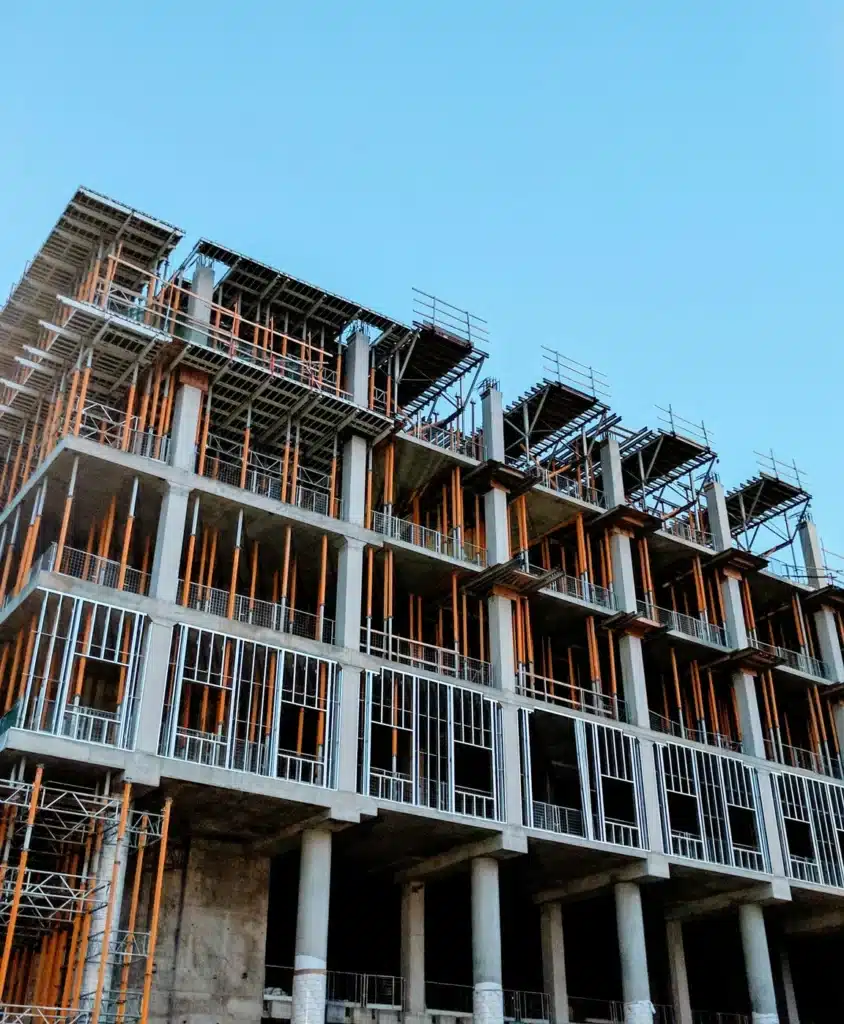
The Active Construction Phase
This is where you see your vision rise from the ground. For a standard home, it typically lasts 6 to 12 months. This timeline depends heavily on funding, weather (especially the rainy season), and the efficiency of material suppliers. Propy Mould’s platform gives you real-time photo and video updates, so you’re never in the dark about the schedule.
Laying the Foundation (Substructure)
After clearing the site, digging the foundation takes about 3 to 6 weeks. This includes excavation, pouring concrete, and laying blocks up to the ground floor.
This stage is at the mercy of the weather. Heavy rains can flood trenches and ruin concrete, causing major delays. It’s smart to schedule foundation work for the dry season to keep your project on track.
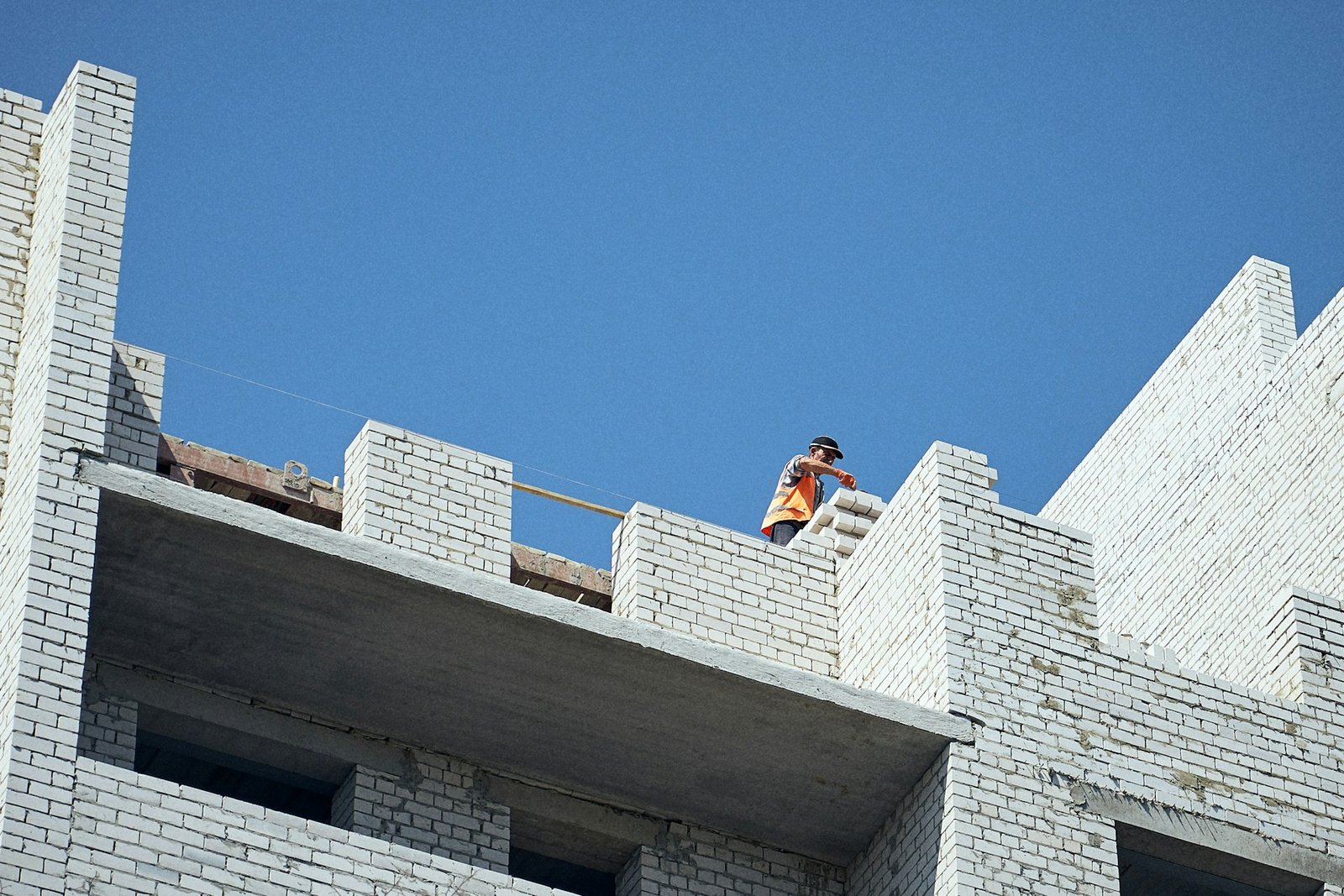
Raising the Walls and Floors (Superstructure)
This phase involves building the walls and casting the columns, beams, and slabs for each floor. For a typical bungalow or duplex, this can take 6 to 12 weeks.
The quality of the blockwork and concrete mix is critical for the building’s safety. Concrete floors need 21 to 28 days to cure and reach full strength before you can build on top of them. Rushing this curing process is a safety risk you can’t afford.
Installing the Roof
Building the roof frame and installing the covering (like aluminum sheets or tiles) usually takes 2 to 4 weeks.
This is a huge milestone because it makes the building waterproof. Once the roof is on, interior work can continue no matter the weather, which helps stabilize your timeline.
The Final Finishes
This is often the longest part of the construction phase, taking 3 to 6 months. It’s labor-intensive and requires careful coordination of many different workers.
- Plastering – 4-6 weeks for smooth walls.
- MEP (Plumbing & Electrical) – 6-10 weeks, often done alongside other tasks.
- Tiling, Flooring, and Ceilings – 4-8 weeks, depending on materials.
- Windows and Doors – 2-3 weeks for installation.
- Painting – 3-4 weeks.
- Kitchen and Bathroom Fittings – 2-4 weeks to install cabinets and fixtures.
Post-Construction and Handover
This final sprint takes about 1 to 2 months and makes the house ready to live in. Many people forget to plan for it, leaving them with a ‘finished’ house they can’t actually use.
Final Inspections and Snagging
A detailed inspection is done to find any small defects or ‘snags,’ like a leaky faucet or a cracked tile. The contractor then has 1 to 2 weeks to fix everything on this list before the final handover.
Propy Mould manages this process for you to ensure a perfect finish. Accepting a property without this step means you’ll pay for the contractor’s mistakes.
Utility Connections and Exterior Works
Connecting the house to public utilities like electricity and water can be slow because it involves outside agencies. At the same time, exterior work like landscaping and fencing is completed. This process usually takes 2 to 4 weeks.
If the public water supply is unreliable, this is also when you would drill a borehole, which adds to the timeline but guarantees you have water.
4 Factors That Can Drastically Alter Your Building Timeline
Knowing these variables is key to managing your project from abroad.
- Funding Consistency – Inconsistent cash flow is the number one project killer. A project that should take 9 months can easily stretch to 2 years if money isn’t available for materials and labor.
- Location (Urban vs. Rural) – Building in a remote area can add weeks or months to your timeline. Poor road access makes material delivery difficult and skilled labor is often harder to find.
- Project Complexity – A simple 3-bedroom bungalow is much faster to build than a 5-bedroom duplex with a pool. A more complex design can increase your timeline by 30-50%.
- Contractor and Project Management – Relying on an inexperienced contractor or just family members for supervision often leads to delays and budget blowouts. Professional management prevents these risks.

How Propy Mould Keeps Your Diaspora Building Project on Schedule
We created Propy Mould to solve the timeline and transparency problems for Africans in the Diaspora. We protect your investment and keep your project on schedule with a few key principles.
See Your Progress in Real Time
Our secure online platform gives you a dashboard with project progress, financial updates, and weekly photo and video reports. You can access it from anywhere in the world and see exactly what you’re paying for.
Work with Proven Experts
We only work with a network of vetted architects, engineers, and contractors who have a proven track record of delivering on time and on budget. This takes the guesswork out of finding reliable local workers.
Your Money is Released Based on Verified Work
We break the project into clear milestones. Funds for the next stage are only released after the previous one is finished and verified by our team. This keeps work moving smoothly and prevents financial waste.
One Partner From Start to Finish
We handle everything from land verification and permits to construction and property management. This integrated approach removes the bottlenecks that cause delays when you’re trying to manage multiple providers from abroad.
Building your home should be a source of pride, not a source of constant stress. You’ve worked too hard to see your dream derailed by broken promises and poor management. The timelines and challenges we’ve outlined are real, but they are manageable with the right partner.
If you’re ready to build with confidence and see every dollar you invest accounted for, let’s talk. Propy Mould brings the trust and transparency you deserve to your building project. Schedule a free consultation today and let’s build your legacy, together.
Frequently Asked Questions
What Is The Fastest You Can Build A House In Africa?
Using traditional methods, the fastest realistic timeline is about 6 to 7 months. This requires perfect funding, building during the dry season, and having a large labor force. However, rushing critical steps like letting concrete cure, which needs 28 days to reach full strength, is dangerous.
As construction standards from the Nigerian Institution of Estate Surveyors and Valuers confirm, speeding up this chemical process without special additives compromises the building’s safety. Your priority should be structural integrity, not just speed.
What Are The Most Common Causes Of Construction Delays In Nigeria And Ghana?
The top three causes are funding gaps, land disputes, and weather. Funding gaps happen when project costs are underestimated, especially with fluctuating material prices. Land ownership issues, sometimes called ‘Omo Onile’ problems, can stop a project for months if you didn’t do proper checks upfront.
Lastly, the rainy season, from roughly May to October in West Africa, slows down foundation work and exterior finishing. The Centre for Affordable Housing Finance in Africa notes in its 2023 Yearbook that informal land systems are a major obstacle to faster housing development.
How Can I Monitor My Building Project From The Uk, Usa, Or Canada?
You need a tech platform that provides verified digital updates, not just updates from family. While well-intentioned, family members often lack the technical skill to spot poor work and may hide delays to avoid causing you stress.
A professional management platform gives you unbiased, time-stamped photos, videos, and site reports. This ensures you see the real progress, not a staged update.
Is It Cheaper To Build A House During The Rainy Season Or Dry Season?
Building during the dry season is almost always faster and more cost-effective. In the rainy season, logistics costs go up as trucks get stuck on muddy roads, and work stops frequently, reducing labor productivity.
You may also have to pay extra to pump water out of the foundation. Even if some material prices are slightly lower due to less demand, the extra labor and logistics costs usually wipe out any savings.
What Legal Documents Are Absolutely Essential Before Starting Construction?
You must have a verified title deed (like a Certificate of Occupancy) and an approved building plan. Starting construction without a permit is illegal and could lead to demolition or heavy fines from the government.
The World Bank’s Doing Business reports show that getting construction permits is a distinct legal phase in most African economies. Just owning the land doesn’t give you the right to build, the specific design must also be approved by planning authorities.
How does Propy Mould ensure my money is not misused by builders?
We use a milestone-based payment system verified by independent engineers. Instead of giving a contractor a large sum of money upfront, funds are released in stages only after a specific part of the project is completed and approved. This system ties the contractor’s payment directly to their progress. If work stops or the quality is poor, the funding stops, protecting your investment.
Can I Use My Own Architect And Still Use Propy Mould For Project Management?
Yes, you can bring your own architectural designs as long as they meet local building codes. Propy Mould can manage the construction phase using your plans. We will first conduct a design review to make sure the structural drawings are safe and the cost estimates are realistic for the current market. This step helps prevent problems during the build that arise from a mismatch between the design and on-site conditions.
What Is A Certificate Of Occupancy And How Long Does It Take To Get One After Construction?
A Certificate of Occupancy (C of O) is a government document that proves legal ownership of land. Getting it is a separate process from construction and can take anywhere from 3 to 12 months. While you need a building permit to construct the house, the C of O validates your title to the land itself. Professional bodies like the Ghana Institution of Surveyors emphasize that processing times vary greatly depending on the state’s efficiency. It’s best to start this process as early as possible.
How Much Extra Time Should I Budget For Unforeseen Delays?
A smart rule of thumb is to add a 20% time buffer to your schedule. If your contractor estimates the project will take 10 months, you should plan for 12. Delays can come from anywhere, a sudden spike in cement prices, local community issues, or an unexpectedly long rainy season. This buffer protects you from the financial and emotional stress of a missed deadline.
What Is The Difference In Timeline Between Building A Bungalow And A Duplex?
A duplex generally takes 30% to 50% longer to build than a bungalow with a similar footprint. The main reason is the first-floor slab. A duplex requires a reinforced concrete deck, which involves extensive formwork, steel reinforcement, and a mandatory curing period of at least 21 days before any work can continue on top of it. A bungalow skips this time-consuming step.
Does The Type Of Foundation (Strip Vs. Raft) Affect The Construction Timeline?
Yes, a raft foundation takes longer and costs more than a strip foundation. A strip foundation involves digging simple trenches and pouring concrete. A raft foundation, needed for unstable or swampy soil, requires excavating the entire building footprint, laying a complex mat of steel reinforcement, and pouring a massive amount of concrete. The prep and curing time can add 2 to 3 weeks to the foundation phase.
How Can Technology Help Speed Up My Building Project?
Technology cuts down on delays caused by slow decisions and poor planning. Platforms like Propy Mould use software to forecast material needs, preventing the common ‘we ran out of cement’ problem.
Additionally, instant digital reports allow you to approve the next stage of work from your phone in minutes, instead of waiting weeks for someone to visit the site and give the okay.