Featured Properties


How to Build Wealth with Raw Land
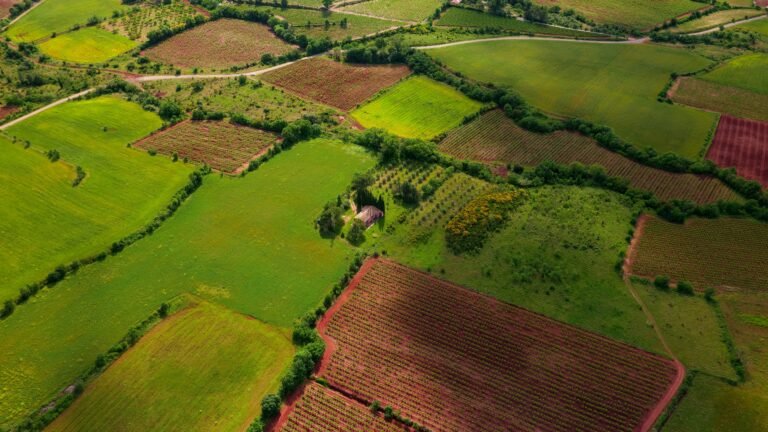
Most people drive past an empty field and don’t give it a second thought. But where they see weeds, a savvy investor sees a future retirement nest egg, a family legacy, or a massive check waiting to be written by a national homebuilder.
You don’t have to flip houses or deal with the headaches of chasing tenants to build serious wealth. It really comes down to understanding the fundamental direction of growth and planting your flag there before the bulldozers roll in.
Key Takeaways
- Land banking is a hands-off strategy where you snag undeveloped plots now to sell for a profit down the road.
- Scarcity is the name of the game, the planet isn’t getting bigger, but the population is heading toward 9.7 billion by 2050.
- Smart investors copy the big retailers by locking down inventory right in the path where future expansion is headed.
- You can force the value up by changing the paperwork, like land use entitlements,rather than pouring concrete or building structures.
- Holding costs for raw dirt are significantly cheaper than the costs associated with residential rental properties.
- Due diligence is non-negotiable, you have to check zoning, soil quality, and the slope of the land.
- The main risk is that land is illiquid, meaning you need a mindset geared toward long-term capital growth.
The Power of Land Banking as a Passive Wealth Generator
Think of land banking as strategically collecting pieces of earth to sell or develop later. This approach is completely different from land speculation. Speculators are basically gambling on quick flips in volatile markets.
Land bankers, on the other hand, play a calculated, long-term game. You are acquiring tangible assets that sit quietly in your portfolio. This asset class is truly passive. You deal with no leaky roofs, no 2 a.m. calls from angry tenants, and no insurance claims for breakage. The land simply exists, waiting for demand to catch up to it.
This whole economic model is driven by scarcity. Mark Twain famously advised to “buy land, they’re not making it anymore.” That sentiment is even more true today.
The United Nations projects the global population will hit 9.7 billion by 2050. Humans can build upward, but the fixed surface area of the planet does not expand. As populations swell, the supply of available earth decreases. This natural pressure pushes prices upward over time.
Major corporations understand this math better than anyone. Homebuilders and large retailers use land banking to lock in their future inventory at today’s prices.
They buy plots years before they ever intend to break ground. Individual investors can replicate this same strategy. You acquire raw land now to sell it to developers later.
It serves as a hedge against inflation and a store of value that physical currency just cannot match.
Identifying the Path of Growth for Maximum ROI
You cannot just buy any random patch of dirt and expect a return. You have to identify the path of growth. This term refers to the specific direction a municipality is expanding. Cities rarely grow in a perfect circle.
They stretch along corridors defined by geography and infrastructure. The ripple effect dictates that as city centre prices rise, development pushes outward to find affordable acreage.
You need to watch for the clues developers leave behind. Proposed highway extensions, new sewer line installations, or planned commercial hubs are signals of incoming value.
If Amazon plans a distribution centre, housing is sure to follow. Review Metropolitan Planning Organization (MPO) long-range transportation plans. These documents reveal where future highway exits will go long before the asphalt creates a route.
The 1-Hour Drive Rule
Smart land banking often happens just outside the current commuter belt. Look for land roughly 45 to 60 minutes from a major city centre. Right now, this zone might feel rural, but in 10 to 15 years, it will be the new suburb. You buy when it looks like a farm, and you sell when it looks like a subdivision.
Strategies to Force Appreciation on Raw Land
Buying and holding works, but active management is how you maximize returns. Forced appreciation allows you to increase the value without laying a single brick. The most powerful tool here is the entitlement process.
You take agricultural or raw land and secure legal approval for a higher use, such as residential or commercial zoning.
Paperwork drives profit in this stage. Securing a rezoning approval can double or triple the value of a parcel. Builders do not want to fight city hall, they want “shovel-ready” sites.
By handling the bureaucratic heavy lifting, you remove their risk. Land with entitlements sells for 3x to 5x the value of unentitled raw land because the development uncertainty is gone.
Subdividing offers another route to forced appreciation. You break a large tract into smaller, more affordable lots. Access improvements also unlock value.
If you bring utilities or a legal road to a landlocked property, you instantly make it usable. These strategies require effort but offer returns far beyond simple market appreciation.
Raw Land vs. Residential Rental Property
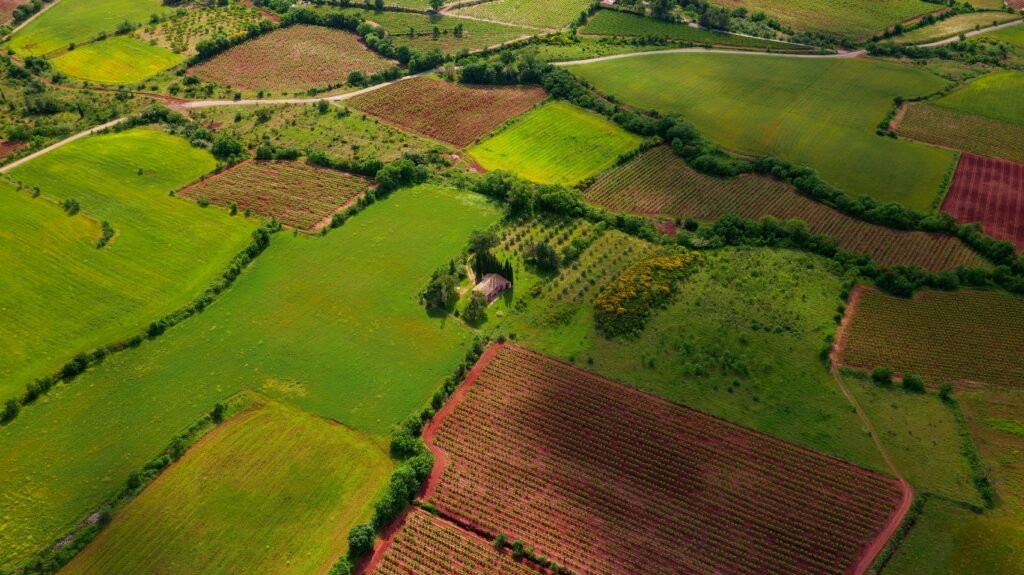
When you compare raw land to residential rental property, you start to see the efficiency of your capital. Rental properties demand constant management intensity. You face utility bills, maintenance requests, and the perpetual cycle of finding tenants. Land demands none of this. It sits vacant and costs very little to keep.
Holding costs for land remain exceptionally low. You pay no utility bills and no structural insurance. Property taxes on raw land often sit significantly lower, sometimes 50% to 70% less, than improved land, depending on the jurisdiction and agricultural exemptions. This low overhead allows you to ride out market downturns without bleeding cash.
Land also functions as a superior hedge against inflation. Hard assets traditionally perform well when currency devalues. According to the USDA, U.S. farmland values have generally risen over time, providing a historical average annual return of roughly 11.5% when combining income and capital appreciation. While cash savings lose purchasing power, well-placed earth retains it.
Essential Due Diligence Checklist for Land Investors
You must verify the usability of any parcel before you sign a contract. A cheap plot becomes expensive if you cannot build on it. Follow a strict checklist to filter out the bad deals.
- Zoning Classification: Never guess what you can build. Verify if the current zoning allows your intended use or if you will need to apply for a variance.
- Topography and Soil: Analyze the slope. Land that is too steep or swampy will drain your budget on foundation work.
- Flood Zone Status: Check FEMA maps. Building in a flood zone drives up insurance costs and scares away future buyers.
- Utility Availability: Confirm access to municipal water and sewer. If those are absent, you need to know if you can install a well and septic system.
- Perc Test: This is non-negotiable for rural land. A percolation test determines if the soil absorbs water fast enough for a septic system. If the soil fails, you often cannot build a house, rendering the land useless for residential development.
- Access and Easements: Ensure the property is not landlocked. You need legal road access, not just a handshake agreement with a neighbour.
Handling Illiquidity and Capital Intensity
Land banking involves specific risks that you need to be aware of. The primary downside is illiquidity. You cannot sell a plot of land as quickly as you can sell a stock. If you need cash tomorrow, land will not help you. You must be prepared to hold the asset until the market comes to you.
Raw land generates negative cash flow. Unless you lease it for farming or hunting, the land produces no income while you hold it. You still owe property taxes every year. This creates a carrying cost you must fund from other sources.
Investors also face zoning risks where governments deny entitlement requests. Environmental issues, such as discovering wetlands or endangered species, can freeze development. You must weigh the opportunity cost. You have to decide if the potential appreciation of the land beats the benchmark of 7% annual returns in the S&P 500 over a 10-year hold.
Frequently Asked Questions
What is the difference between land banking and land speculation?
Land banking relies on purchasing tangible assets in established paths of growth with the intent of holding for the long term, typically 5 to 10 years.
This strategy depends on fundamental economic drivers like scarcity and population expansion, as noted by UN projections of 9.7 billion people by 2050. Speculation, conversely, involves short-term flipping based on market hype without adding value or analyzing fundamentals.
Speculators often buy high-risk properties hoping for a quick spike, whereas land bankers secure inventory similar to how major homebuilders operate. The key distinction lies in the time horizon and the reliance on inevitable demand versus market volatility.
How much capital is required to start land banking?
You can enter the land market with significantly less capital than required for residential homes, often as low as a few thousand pounds or dollars for rural parcels. However, buying in high-growth corridors requires more substantial capital.
Unlike housing, banks rarely offer high leverage for raw land; you typically need a 35% to 50% down payment for a land loan, or you must pay cash.
This higher barrier to entry protects the market from the over-leveraging that causes housing bubbles. Investors often pool capital or use seller financing to mitigate the high initial cash requirement.
What are the tax implications of holding raw land?
Raw land incurs property taxes, though these are often 50-70% lower than taxes on improved structures. If the land is used for agricultural purposes, you may qualify for exemptions that reduce this tax burden further.
Upon sale, profits are generally taxed as capital gains. If you hold the land for more than a year, you benefit from lower long-term capital gains rates compared to ordinary income tax.
However, you cannot depreciate raw land like you can a rental building, meaning you lose that specific tax shield during the holding period.
How do I perform a perc test on a potential property?
A percolation (perc) test measures the soil’s water absorption rate to determine if a septic system is viable. You hire a licensed excavator and a health department official or engineer to dig holes at specific intervals on the property.
They fill these holes with water and time how long it takes to drain. If the water creates a standing pool or drains too slowly, the land fails.
A failed perc test usually means you cannot build a residential dwelling, significantly destroying the property’s resale value.
Can I finance raw land with a traditional bank loan?
Yes, but it is more difficult than financing a home. Traditional lenders view land as a higher-risk asset because you cannot live in it, making it easier to walk away from in a default.
Consequently, lenders demand higher down payments (often 30-50%) and charge higher interest rates. Many investors bypass traditional banks by negotiating seller financing, where the current owner acts as the bank, often offering more flexible terms and lower down payments.
What happens if the zoning board denies my entitlement request?
If a zoning board denies your request for rezoning, you retain ownership of the land under its original classification. This creates a situation where you might have overpaid for land based on its potential value rather than its current use.
To mitigate this, savvy investors include a contingency clause in their purchase offer stating the sale is subject to zoning approval.
Without this contingency, you are left holding an asset that may not yield the return you calculated, forcing you to hold longer or sell at a loss.
Is land banking a liquid investment?
No, land is a highly illiquid asset. Unlike stocks which can be sold in seconds, selling land can take months or even years depending on market conditions.
You must account for this lack of liquidity in your financial planning. It is capital that is “locked up.” The trade-off for this illiquidity is often higher capital appreciation and lower volatility compared to public markets, but it requires a financial buffer to ensure you are never forced to sell at a fire-sale price during a downturn.
How does inflation affect raw land values?
Inflation generally exerts positive pressure on land values. As the purchasing power of currency drops, the nominal value of hard assets like real estate rises.
Land acts as a store of value. Furthermore, as the cost of materials and labor rises (driving up the cost of new construction), the underlying land value often drafts off this increase.
Historical data from the USDA indicates that farmland and raw land values have tracked or exceeded inflation rates over long horizons, protecting investor purchasing power.
What are the ongoing costs of owning undeveloped land?
The primary ongoing cost is property tax. You may also face costs for liability insurance, though this is cheap compared to home insurance. Depending on the location, you might have annual fees for clearing brush to reduce fire risk or maintaining access roads.
However, you avoid the heavy maintenance costs of buildings, such as plumbing, roofing, and HVAC repairs. The negative cash flow is predictable and generally low, but it must be paid out of pocket since the land produces no rent.
How do I find out if a highway extension is planned near my land?
You must consult the long-range transportation plan from the local Metropolitan Planning Organization (MPO) or the state Department of Transportation.
These government bodies publish 5, 10, and 20-year plans detailing infrastructure projects. Public meetings and municipal websites also list proposed capital improvements.
Identifying a proposed interchange or highway widening early puts you ahead of the general market, allowing you to buy before the infrastructure announcement spikes local prices.
Can I generate income from my land while waiting for it to appreciate?
Yes, you can generate interim income to offset tax bills. Common methods include leasing the land to local farmers for crops or grazing, which can also secure agricultural tax breaks.
Other options include leasing to hunters, setting up solar farms, or renting space for billboards if the property faces a highway.
While this income rarely matches the cash flow of a rental house, it often covers the holding costs, effectively allowing you to bank the land for free while it appreciates.
What environmental factors should I check before buying land?
You must verify the presence of wetlands, flood zones, and endangered species habitats. Wetlands are protected by federal and state laws, often prohibiting construction entirely.
A Phase 1 Environmental Site Assessment can reveal if the land was previously used for industrial purposes or contains hazardous waste.
Ignoring these factors can lead to buying a property that is legally unbuildable and carries potential liability for cleanup, turning an asset into a significant liability.