Featured Properties
Is The Real Estate Market Crashing In Africa?
Headlines love to scream about collapse. They tend to paint a bleak picture of despair across the entire continent, suggesting that property values are plummeting in unison all the way from Cairo to Cape Town. But frankly, looking at a map of Africa and treating it as one single property market is like looking at the weather in London and assuming it must be raining in Rome. It is lazy analysis.
It is also financially dangerous. While specific currencies are indeed facing humiliation and office towers in Nairobi stand empty, other regions are seeing record transaction volumes. We are not witnessing a crash. We are watching a violent recalibration where capital flees instability and actively hunts for yield in a landscape defined by extreme contrasts.
Key Takeaways
- Africa is not a monolith, it is a collection of 54 distinct markets, each correcting and moving at different speeds.
- Urbanization is the real engine driving demand, with the urban population set to triple by 2050.
- South Africa is seeing a specific “semigration” trend that is boosting Cape Town while leaving Johannesburg to stagnate.
- Nigeria and Ghana are facing currency crises, yet prime real estate remains a solid hedge against inflation.
- Kenya is pivoting away from a commercial glut and moving toward government-backed affordable housing.
- Egypt is experiencing a construction boom driven by currency devaluation and massive Gulf FDI.
- Rental yields in prime African cities often sit comfortably between 6% and 9%, consistently outperforming Europe.
The Crash Myth vs. Market Reality across 54 Nations
To really understand the current cycle, you have to look past the aggregate data. Africa is a continent of 54 sovereign nations. Some are facing headwinds that make investment nearly impossible right now.
Others are experiencing booms that completely defy global trends. Defining the current status as a wholesale “crash” is inaccurate. It is a correction. Markets are simply adjusting to global interest rate hikes and local currency volatility.
Real estate demand here does not stem from speculative bubbles or cheap credit like it might elsewhere. It comes from genuine demographic pressure. UN-Habitat projects the continent’s urban population will triple by 2050. This creates an urbanization rate of approximately 4% annually. People are moving to cities faster than infrastructure can be built. This acts as a fundamental floor underpinning the market, regardless of the macroeconomic noise outside.
We are seeing a sharp divergence between sectors. Commercial office space is certainly struggling. Hubs like Nairobi, Lagos, and Johannesburg are facing oversupply issues. Remote work and economic tightening have reduced the need for Grade A office space. However, residential demand drastically outstrips supply. The continent battles a housing deficit estimated at over 50 million units.
Foreign Direct Investment (FDI) has not vanished. It has simply shifted. Capital is moving away from traditional commercial assets. It is flowing towards data centres and logistics hubs. Investors are chasing the digital infrastructure required to support a young, connected population.
Yields remain attractive for those willing to tolerate the risk. Average rental yields in prime African cities often range between 6% and 9%. This is significantly higher than mature markets in Europe or Asia, where yields have compressed. Smart money is not leaving,it is just becoming much more selective.
South Africa Market Stagnation, High Interest Rates, and Semigration
South Africa is the most mature market on the continent. Currently, it is characterized by low growth and immense pressure. It is not crashing, but it is certainly hurting. The primary driver of this stagnation is the South African Reserve Bank (SARB).
To curb inflation, they have maintained an aggressive monetary policy. The benchmark Repo Rate sits at a 14-year high of approximately 8.25%. This makes borrowing expensive and dampens mortgage demand across the board.
A unique phenomenon called “semigration” is actively reshaping the property map. Wealth and skills are migrating. Families are leaving Gauteng and Johannesburg in droves. They are moving to the Western Cape and Cape Town.
They are seeking better governance, reliable services, and a superior lifestyle. This shift has created a dual-speed market. Cape Town is experiencing a mini-boom with bidding wars and rising prices. Johannesburg faces depressed prices and longer listing times.
The commercial sector faces a crisis of its own. Office vacancies are high. This is exacerbated by load shedding. Power cuts make operating large commercial buildings prohibitively expensive. Tenants are fleeing to smaller, green-certified buildings where they can control their energy costs.
Data from the FNB House Price Index confirms this stagnation. Annual growth hovers around 0.6% to 1.5%. In real terms, when adjusted for inflation, property values are actually declining.
However, the Western Cape defies this national average. Property prices there are growing at roughly double the rate of the rest of the country. This is a buyer’s market in the north, and a seller’s market in the south.
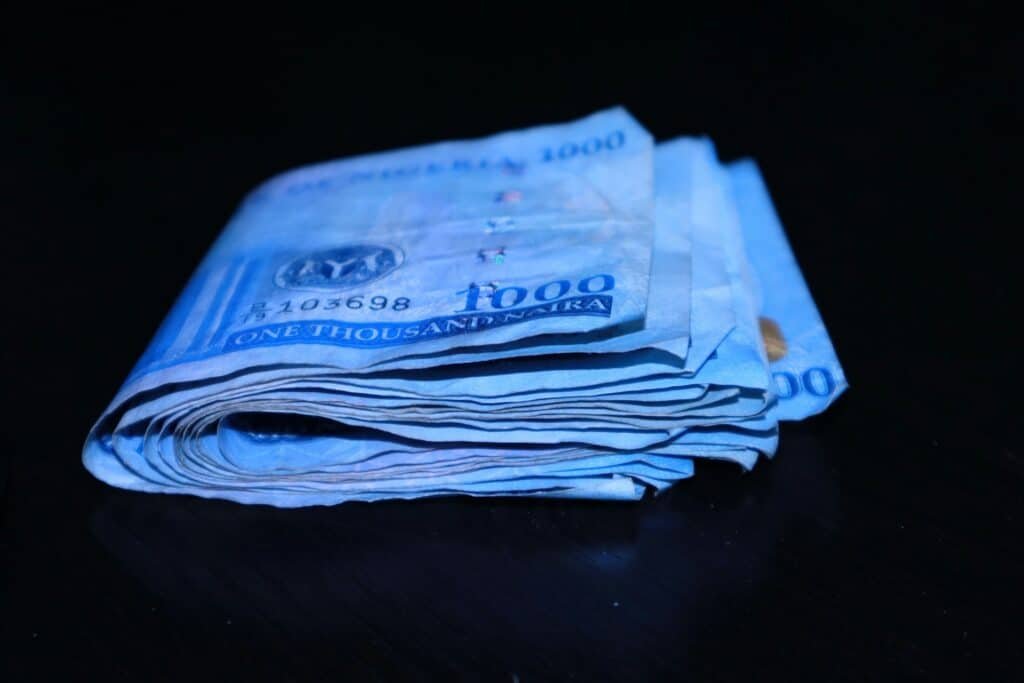
Currency Crisis vs. Asset Value in Nigeria and Ghana
Nigeria presents a bit of a paradox. The economy battles hyperinflation and severe currency devaluation. Inflation has surpassed 30%. This has driven construction material costs for cement and steel up by over 50% to 100% in a single year.
Developers are pausing sites. Projects are being abandoned because the feasibility studies no longer make sense. Yet, high-end real estate in Lagos remains surprisingly resilient. Areas like Ikoyi and Victoria Island act as a store of value.
Wealthy Nigerians and corporations buy prime real estate to hedge against the falling Naira. Land in ultra-prime areas like Banana Island holds its value, often trading at premiums in the millions of USD per plot. The mid-market, however, is being squeezed hard. Affordability is at an all-time low.
Ghana faces similar structural issues. Accra saw an oversupply of high-end luxury apartments in recent years. This led to price corrections. The market is now dealing with “dollarization.” Rents and sales in the prime sector are priced in USD. Locals earning in Cedi simply cannot keep up. This has caused an affordability crisis and forced landlords to renegotiate terms.
Despite these hurdles, the fundamental need for shelter remains unmet. Ghana has an estimated housing deficit of 1.8 million units. The opportunity lies not in building more luxury towers, but in solving the mid-market supply chain.
Kenya Commercial Glut and the Affordable Housing Pivot
Nairobi was the darling of commercial investors a decade ago. That enthusiasm led to overbuilding. There is a documented oversupply of commercial office space. Prime office rents have remained stagnant or declined slightly over the last two to three years.
Landlords are offering concessions just to keep tenants. The retail sector faces similar challenges. Malls were overbuilt. Many now struggle with high vacancy rates or are undergoing repurposing.
Smart capital is pivoting. The investment focus has shifted away from stagnating luxury apartments and offices. It is moving towards the government-backed Affordable Housing Programme (AHP) and student accommodation.
Kenya has an annual housing demand of 250,000 units. The market delivers only about 50,000. The gap is massive.
Market liquidity is constrained by a lack of financing. There are fewer than 30,000 active mortgages in a country of over 50 million people. Cash is king. This limits the buyer pool for high-end assets but creates immense opportunity for developers who can build at price points that do not require bank financing.
Egypt Construction Boom Fueled by Devaluation and FDI
Egypt is the outlier here. While other markets contract, Egypt is booming. Activity and sales volumes are hitting record highs. This is driven partly by a flight to safety. The Egyptian Pound has suffered sharp devaluation.
Citizens have poured their savings into real estate to preserve wealth. Buying an apartment is seen as much safer than keeping cash in the bank.
The state is the engine of this growth. Massive infrastructure spending and the development of the New Administrative Capital (NAC) have opened new frontiers. Top developers reported record sales in 2023 and 2024 despite high inflation.
Gulf investment is pouring fuel on the fire. The Ras El Hekma deal is a prime example. This $35 billion investment with the UAE will transform the coastal real estate sector. It signals massive confidence from regional heavyweights.
Demand here is also demographic. Egypt adds roughly 1.5 to 2 million people annually. They all need homes. The market is chaotic, fast-paced, and growing.
PropTech Solutions and Data Centers
The crash narrative often ignores the role of innovation. Technology is actively solving the opacity that historically plagued African markets. We are seeing a maturation of the sector through better data and efficiency.
Innovation Driving Resilience
- Data Transparency: Platforms are emerging to provide verified listings and land titles. Companies like Estate Intel are aggregating data to help investors make informed decisions, moving the market away from guesswork.
- Green Building: High energy costs are driving demand for efficiency. There is increasing demand for IFC EDGE-certified buildings. Global ESG requirements mean international tenants will only sign leases for green buildings.
- Financing Solutions: Startups are tackling the liquidity crisis. Entities like Spleet in Nigeria offer rent financing, allowing tenants to pay monthly rather than annually.
- Data Centres: This is the next frontier. Digitization and data sovereignty laws are driving a boom in data centre construction. This asset class is disconnected from residential affordability issues and offers long-term stability.
Frequently Asked Questions
Is the real estate market crashing in South Africa right now?
It is not crashing, but it is stagnating under significant pressure. The market is correcting due to restrictive monetary policy rather than a sudden collapse of fundamentals.
The FNB House Price Index shows annual growth is essentially flat at 0.6% to 1.5%, which is a decline in real terms when adjusted for inflation. Investors should view this as a buyer’s market, particularly in inland hubs like Johannesburg, but must factor in high borrowing costs with the Repo Rate at 8.25%.
Why are property prices falling in Johannesburg but rising in Cape Town?
This divergence is driven by the “semigration” trend. Wealth and skilled labour are moving to the Western Cape for better municipal governance and lifestyle, draining demand from Gauteng.
FNB data indicates property prices in the Western Cape are growing at roughly double the national average, while Gauteng struggles with inventory overhang. Capital appreciation is currently concentrated in the Western Cape, while Johannesburg offers value for long-term investors willing to wait for a cycle turn.
Is real estate a good investment in Nigeria during inflation?
Yes, but only as a specific hedge in prime locations. While the broader economy suffers, luxury real estate acts as a store of value against currency devaluation.
Despite inflation surpassing 30%, land prices in prime zones like Banana Island and Eko Atlantic continue to hold or increase in value, often trading in dollar-equivalent terms. You should focus on land or prime assets in Lagos to preserve capital, but avoid mid-market developments where construction cost inflation (cement/steel up 50%+) destroys margins.
What is the current housing deficit in Africa?
The continent faces a massive shortage of quality shelter driven by rapid urbanization and population growth. UN-Habitat estimates the total housing deficit across the continent stands at over 50 million units. The long-term investment opportunity lies in mass-market affordable housing rather than luxury developments, which are currently oversupplied in many key cities.
Why is there an oversupply of office space in Nairobi?
Developers overbuilt commercial assets in anticipation of demand that softened due to global economic tightening and the shift to hybrid work models.
Knight Frank reports indicate that prime office rents in Nairobi have stagnated or declined over the last 2-3 years due to this glut. Avoid investing in new commercial office developments in Nairobi, look instead to repurposing existing assets or shifting focus to the underserved student housing market.
How does currency devaluation affect property prices in Egypt?
Devaluation drives a “flight to safety” boom, causing transaction volumes and prices to rise as citizens seek to protect their savings.
Top developers in Egypt reported record sales in 2023/2024, fuelled by domestic buyers and significant inflows like the $35 billion Ras El Hekma deal with the UAE. Egyptian real estate serves as an inflation shield, making it attractive for preserving wealth, provided you enter the market with trusted developers.
What is the safest country in Africa for real estate investment?
“Safety” depends on your definition, but South Africa offers the most mature legal framework, while Mauritius offers stability, however, Egypt currently offers the highest volume liquidity.
JLL and other consultancies consistently rank South Africa’s property registration and legal systems as the most robust, despite current economic low growth. For legal security, choose South Africa. For growth potential despite higher risk, look to the expanding markets in East Africa or Egypt.
Are mortgage rates in Africa expected to go down soon?
It is unlikely in the short term. Central banks are keeping rates high to fight sticky inflation and stabilize currencies against the dollar.
The South African Reserve Bank has kept the Repo Rate at a 14-year high of 8.25%, and similar tightening is seen in Nigeria and Kenya to combat inflation. Cash buyers have a significant advantage. Do not rely on leverage to make deals work, ensure your yield calculations make sense without debt.
What is the impact of the Ras El Hekma deal on Egypt’s property market?
This deal is a game-changer that injects immediate liquidity and confidence into the market, specifically boosting the North Coast region.
The $35 billion investment from the UAE is one of the largest FDI deals in the region’s history, directly targeting infrastructure and tourism real estate. This validates the North Coast as a prime investment destination and will likely drive price appreciation in surrounding areas.
Is it better to invest in residential or commercial property in Africa?
Residential is currently the superior asset class due to massive undersupply, whereas commercial is facing saturation in major hubs.
Statista and World Bank data highlight a housing deficit of 50 million units, while major cities like Nairobi and Lagos report high commercial vacancy rates. Direct your capital towards residential projects, particularly affordable housing or student accommodation, to tap into sustained demographic demand.
How does the “Semigration” trend affect South African property values?
It creates a polarized market where coastal regions appreciate while inland industrial hubs stagnate or decline in real value.
Reports from FNB show Western Cape price growth significantly outperforming Gauteng, driven by the migration of skilled professionals. Invest in the Western Cape for growth, or negotiate hard bargains in Gauteng if you are looking for distressed assets.
What are the rental yields in prime African cities compared to Europe?
African yields are significantly higher, compensating investors for the increased risk profile and currency volatility. Knight Frank and Estate Intel data show prime yields in cities like Lagos, Nairobi, and Johannesburg often range between 6% and 9%, compared to 3-4% in London or Paris.
Africa offers a strong income-generating play for investors seeking cash flow, provided they can manage the currency risk associated with repatriating those profits.