
Featured Properties

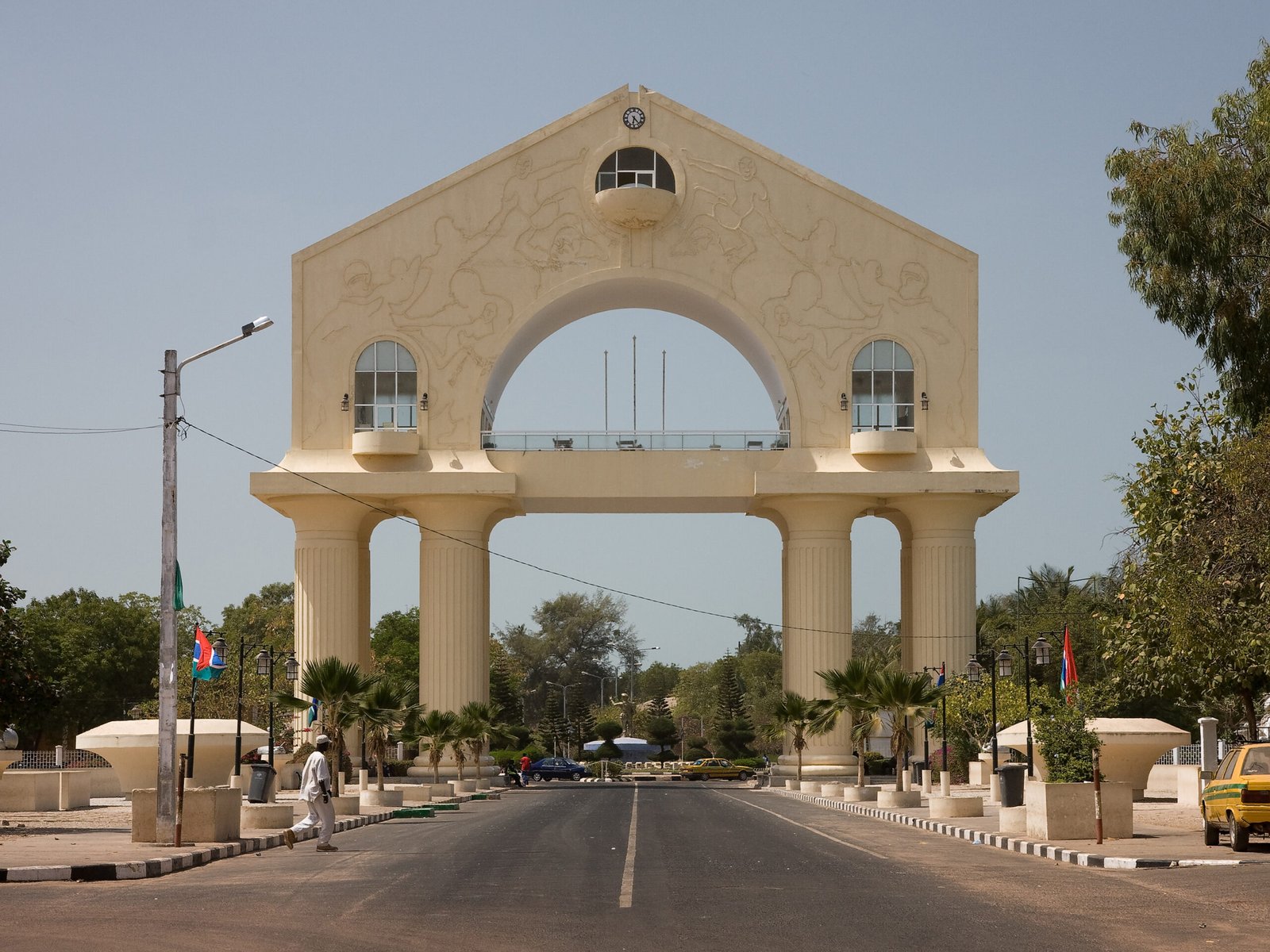
Top 15 Things To Do In Gambia
A trip to The Gambia isn’t just a vacation. For many in the Diaspora, it’s a profound return, a chance to align your spirit with the land of your ancestors. This guide goes beyond the beach resorts and tourist trails to show you 15 real experiences that shape the country’s heart, its people, and its future.
From the haunting quiet of Kunta Kinteh Island to the vibrant pulse of Albert Market, we’ll explore the places that give you a true feel for life on the Smiling Coast. Whether you’re here to find your roots, look for property, or simply see the real West Africa, these insights will make your journey meaningful.
Key Findings
- Kunta Kinteh Island is a powerful, though fragile, link to the history of the transatlantic slave trade.
- Tanji Fishing Village gives you a raw look at the nation’s second-largest industry.
- The Chimpanzee Rehabilitation Project shows how to interact with animals responsibly.
- Learn from Griot storytellers and join a local cooking class to go deeper than the average tourist.
- A trip to Fathala Reserve is a real-world lesson in West African logistics, from the Banjul-Barra ferry to border crossings.
Tracing Ancestral Roots
This isn’t just a tour, it’s a pilgrimage. Visiting this UNESCO World Heritage site forces you to confront the brutal history of the transatlantic slave trade. Once called James Island, its story became globally known through Alex Haley’s 1976 novel, Roots. Today, it stands as a physical monument to the suffering of the enslaved.
The trip involves a boat ride up the Gambia River to the ruins of Fort James. You should know that coastal erosion has worn away much of the original fort, a fact confirmed by the UNESCO World Heritage Centre. The tour usually includes stops at the villages of Juffureh and Albreda, where the story shifts from the colonizers’ fort to the strength of the Mandinka people. This isn’t a day for casual sightseeing. It’s a solemn, essential act of remembrance for the African Diaspora.
Witness the Nation’s Heartbeat at Tanji Fishing Village
If you want to see the Gambian economy in action, go to Tanji. Fishing is the second biggest industry here after farming, and this bustling village shows you exactly why. The beach isn’t for sunbathing, it’s a dynamic workplace where hundreds of colorful, hand-built pirogues land with their daily catch from the Atlantic.
For the full experience, get there between 4,00 PM and 5,00 PM. That’s when the action peaks. You’ll see fish being unloaded, sorted on the sand, and carried to traditional smokehouses nearby.
- See the Supply Chain- Watch fish go from the boat to the market, and you’ll appreciate the hard work behind the country’s food security.
- Respect the People- This is their workplace, not a photo-op. Always ask before taking pictures.
- Engage Your Senses- The air is heavy with the smell of smoked fish and the sound of bargaining a true taste of coastal life.
Encounter Ancient Traditions at the Kachikally Sacred Crocodile Pool
Located in Bakau, Kachikally is more of a spiritual center than an animal park. It’s a place where women have come for generations seeking blessings of fertility. The Bojang clan, who are the traditional custodians, believe the water has healing powers.
The pool is home to about 100 West African crocodiles. They are accustomed to people and surprisingly calm, allowing you to touch them under a guide’s careful watch. But the real treasure here is the small museum on-site. It displays artifacts from The Gambia’s many ethnic groups, giving you context for the animist beliefs that still thrive alongside modern life. To truly appreciate Kachikally, you have to see the crocodile as a symbol of life, not just a reptile.
Immerse Yourself in Nature at Bijilo Forest Park
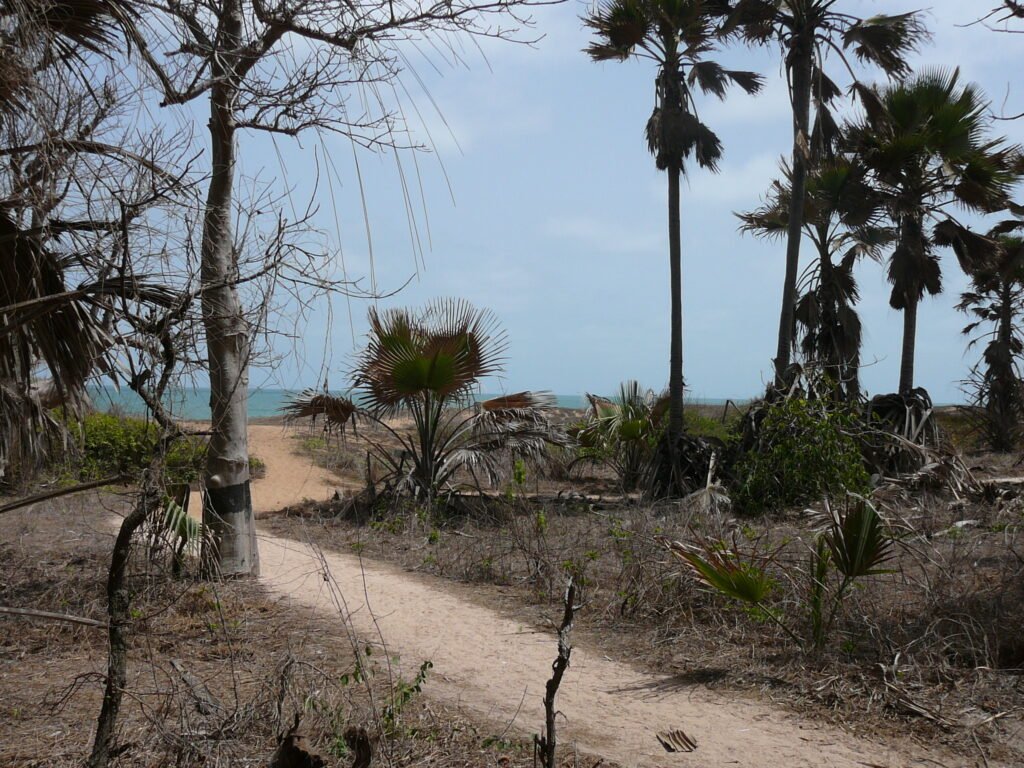
Bijilo Forest Park, or the ‘Monkey Park’ as locals call it, is a 51.3-hectare coastal reserve offering an easy way to see Gambian wildlife. The park has clear trails from 1.5km to 4.5km that take you through different types of forest and scrubland. It’s your best chance to see Green Vervet monkeys and the endangered, fiery-red Red Colobus monkeys.
The Department of Parks and Wildlife Management is serious about its ‘no feeding’ policy. Giving food to the monkeys makes them sick and aggressive. You can help protect them by paying your entrance fee and following this simple rule. It keeps the park a true sanctuary, not a petting zoo.
Navigate the Vibrant Maze of Albert Market in Banjul
Albert Market is the commercial heart of Banjul. It’s a sprawling, chaotic maze where locals shop for everything from fresh mangos to car parts. For a visitor, it’s a crash course in Gambian culture, commerce, and conversation.
The market is organized into sections. You’ll find one area for wood carvings and leather goods, and another packed with brilliant batik and tie-dye fabrics.
- Haggling is expected. Start by offering half the asking price and work your way up. It’s more of a friendly exchange than a fight.
- Real indigo-dyed cloth will leave a little blue on your fingers. It’s a sign you’re getting a local product, not an import.
- The aisles are narrow and packed. Keep your bag close and just go with the flow of the crowd.
Relax on the Golden Sands of The Smiling Coast
The Gambia’s coastline has a beach for everyone. Your perfect spot depends on whether you want energy, nature, or peace and quiet. This quick comparison can help you decide.
| Beach Location | Primary Atmosphere | Best Suited For |
| Kololi / Senegambia | Energetic, developed, commercial | Nightlife lovers, first-time tourists needing amenities. |
| Kotu Beach | Relaxed, flat sands | Families and birdwatchers (near Kotu Creek). |
| Cape Point (Bakau) | Tranquil, upscale | Those seeking quiet luxury and wide vistas. |
| Sanyang (Paradise Beach) | Rustic, bohemian, remote | Day-trippers wanting an ‘off-the-grid’ Sunday vibe. |
You will likely meet ‘bumsters’ (local men who approach tourists) on the main beaches. A firm but polite ‘no thank you’ is usually enough. They are often just looking for conversation or a way to make a living. Treating them with dignity helps keep interactions positive.
Discover a World-Class Birdwatching Paradise
The Gambia is an incredible place for birdwatching. With over 570 recorded species packed into a small country, it’s one of the most efficient birding destinations in the world. You can see a huge variety of birds without having to travel far.
Serious birders, known as ‘twitchers,’ should visit specific habitats. Kotu Creek is excellent for waders and kingfishers, while the Tanji Bird Reserve is great for coastal species. The rare Egyptian Plover is often found further up-country.
- Hire a Guide- The Gambia Bird Watchers Association has trained guides who can spot birds you’d never see on your own.
- Top Spots- Abuko Nature Reserve and Baobolong Wetland Reserve have very high concentrations of birds.
- Best Time to Go- The dry season, from November to April, provides the best viewing conditions.
Savor the Rich Flavours of Gambian Cuisine
Gambian food is all about simple, powerful flavors built on rice, fresh fish, and groundnuts (peanuts). Getting to know the local dishes is a key part of any visit.
Domoda is the national dish, a delicious and hearty stew made from groundnut paste, typically served with beef or chicken over white rice. Benachin, which means ‘one pot,’ is the local version of Jollof rice, cooked with fish and vegetables. Yassa is a tangy dish of chicken or fish marinated in lemon, mustard, and lots of onions.
- Local Drinks- Try Wonjo juice, a refreshing, deep-red drink made from hibiscus flowers.
- Where to Eat- You can find these dishes in tourist restaurants, but for the real deal, find a local ‘cookery.’ The food is better and much cheaper.
Sail the Historic Gambia River
The river is everything to The Gambia. It defines the country’s shape and has carried its history for centuries. A boat trip isn’t just an activity, it’s the best way to understand the nation’s geography. Trips usually fall into three types.
- Coastal Cruises- These are relaxed trips, often on catamarans. They offer lunch, swimming, and great views of the mangroves near the river’s mouth.
- Historical Excursions- These boats head upstream to Albreda and Kunta Kinteh Island, focusing on the history of the slave trade.
- Wildlife Expeditions- For a real adventure, take a multi-day journey deep inland toward Janjanbureh. Here, the river becomes freshwater, and you’ll start seeing hippos, crocodiles, and baboons in the River Gambia National Park.
Experience an Ethical Encounter at the Chimpanzee Rehabilitation Project
Deep within the River Gambia National Park, the Chimpanzee Rehabilitation Project (CRP) is a model for responsible wildlife tourism. It was created to protect rescued chimpanzees and is now a sanctuary spread across three islands.
You can’t set foot on the islands. All viewing happens from a boat to keep the chimps safe from human diseases and to let them live naturally. This strict policy is what makes the project so special it puts the animals first. Getting there takes time and money, often requiring an overnight stay near Janjanbureh, but it’s a trip that supports real conservation.
Discover a Microcosm of Gambia at Makasutu Culture Forest
Makasutu is like a miniature version of The Gambia’s diverse ecosystems. This private eco-reserve packs mangroves, savannah, and palm forest into one beautiful location. It’s perfect if you’re short on time but want to see the country’s ecological variety.
A day trip here usually includes a guided walk to learn about medicinal plants, a quiet canoe ride through mangrove creeks, and a visit with a traditional healer. The reserve also has high-end lodges if you want to spend the night surrounded by the sounds of the forest.
Learn to Cook Like a Local with a Gambian Cooking Class
Joining a cooking class takes you from simply tasting Gambian food to helping create it. Companies like Yabouy Home Cooking offer a fantastic way to step inside a Gambian family home. The day starts with a trip to a local market to buy your ingredients fresh cassava, spicy scotch bonnet peppers, and today’s catch.
Back at the family compound, you’ll help prepare dishes like Benachin or Domoda using traditional methods, often over a charcoal fire. It’s a hands-on way to appreciate the work that goes into each meal and to experience the communal nature of Gambian family life.
Feel the Rhythm of Traditional Gambian Music and Dance
In The Gambia, music is a living history book. The Griot (or Jali) is a traditional musician and storyteller who keeps the community’s history alive through song. Their main instrument is the Kora, a 21-string harp with a sound somewhere between a guitar and a classical harp.
The driving beat of the Djembe drum powers every celebration. While you can catch performances at hotels, visiting a cultural center gives you a more authentic feel. Many Griot families even offer lessons, giving you a direct connection to this ancient tradition.
Find the Perfect Memento at a Local Craft Market
Buying souvenirs is a great way to support local artists. The Gambia is known for its beautiful wood carvings, especially those made from mahogany and ebony.
- Brikama Craft Market- This is where much of the carving happens. You can often watch the artisans at work, making it the best place to buy masks and statues.
- Bakau Craft Market- A good all-around market with a wide variety of crafts located near the main tourist areas.
- Senegambia Craft Market- Very convenient, but you may need to bargain a little harder to get a great price.
Look for unique sand paintings, batik fabrics, and handmade leather goods. Remember to haggle with a smileit’s all part of the experience.
Take a Cross-Border Safari to Fathala Wildlife Reserve in Senegal
The Gambia doesn’t have large safari animals like giraffes or rhinos. To get that classic safari experience, you need to take a day trip across the border into Senegal to visit Fathala Wildlife Reserve. This 6,000-hectare park is home to the critically endangered West African Giant Eland.
The journey itself is an adventure. You’ll start early to catch the ferry from Banjul to Barra, a chaotic and truly Gambian experience. From there, a vehicle will take you to the border.
- Wildlife- Look for rhinos, giraffes, zebras, and various antelopes.
- Paperwork- You’ll need your passport. Depending on your citizenship, you might also need a visa for Senegal, so check the requirements before you go.
- The Ferry- The crossing can be slow and crowded. Patience is the most important thing you can bring.
Whether you come to walk the path of your ancestors, get lost in the energy of a city market, or find peace on the Gambia River, this country offers a deep and lasting connection to West Africa. For those who feel that connection and want to make it permanent, owning a piece of this land is the next step. At Propy Mould, we help the Diaspora and locals build, buy, and manage property with clarity and confidence. Let us help you secure your own piece of the Smiling Coast.
Frequently Asked Questions
What is the best month to visit The Gambia?
The best time to visit is during the dry season, from November to May. This period offers stable, sunny weather and is ideal for both beach holidays and wildlife viewing. The dry season guarantees almost no rain and lower humidity, with average temperatures around 30°C (86°F), making it comfortable for travel. The U.K.’s Met Office notes these months have the most sunshine hours. For wildlife, the vegetation is less dense, and animals gather at shrinking water sources, which, according to the Gambia Tourism Board, makes them much easier to see.
If you’re thinking about buying property, consider visiting at the very end of the rainy season, around October. This allows you to see how the land and buildings handle heavy rainfall, which is a key part of your due diligence.
Is The Gambia safe for tourists and solo travellers?
The Gambia is known as ‘The Smiling Coast’ for a reason and is widely regarded as one of West Africa’s safest destinations. However, like anywhere, it pays to be aware of your surroundings. Violent crime against travelers is uncommon. The U.S. State Department advises that petty crimes like pickpocketing can occur in busy areas like markets. Solo travelers, particularly women, may attract attention from ‘bumsters’local men offering unsolicited help or romantic proposals.
They are usually persistent but not dangerous, a firm ‘no, thank you’ is typically effective. Since the peaceful democratic transition in 2017, the country has become very stable. This political security has made it an increasingly popular destination for tourists, families, and members of the Diaspora looking to invest.
Can you really touch the crocodiles at Kachikally and is it safe?
Yes, you can touch certain crocodiles at the Kachikally Sacred Crocodile Pool, and the site has a long-standing safety record with no reported attacks on visitors. These specific West African crocodiles have been accustomed to human contact for generations and are well-fed by their keepers, making them docile. The protocol is strict, you must only approach them from behind and touch their back or tail under the direct supervision of a trained guide.
This controlled interaction is a unique part of the site’s tradition. While the practice is managed and considered safe within the compound, it’s crucial to remember these are still wild animals. This is a unique situation based on generations of habituation, as noted in publications like Bradt Travel Guides, and should never be attempted with crocodiles in the wild.
Do I need a visa to travel to The Gambia from the UK, USA, or Nigeria?
Visa rules change, so you should always confirm the latest requirements with a Gambian embassy or consulate before your trip. The rules vary significantly based on your citizenship. Citizens from the UK and other Commonwealth countries, as well as those from ECOWAS nations like Nigeria, generally do not need a visa for tourist visits up to 28 or 90 days. American citizens, however, currently need a visa. Information from the U.S. Embassy in The Gambia states this visa is typically valid for multiple entries over five years.
All travelers arriving by air must also pay a $20 Security Fee upon arrival and departure. This can be paid in cash (USD, EUR, or GBP) or at an airport kiosk.
What vaccinations are required or recommended for visiting The Gambia?
Proper health preparation is essential for a safe trip to The Gambia, as it is a high-risk area for certain tropical diseases. The World Health Organization (WHO) states that proof of a Yellow Fever vaccination is often required for entry, especially if you’re coming from a country where the disease is present. Malaria is also a serious risk throughout the country.
The Centers for Disease Control and Prevention (CDC) strongly recommends that all visitors take anti-malarial medication. You should also ensure your routine vaccinations for Tetanus, Hepatitis A, and Typhoid are current. It’s best to consult a travel health clinic 4 to 8 weeks before you leave to get personalized advice and any necessary shots.
What is the main language spoken in The Gambia?
The official language of The Gambia is English, which is used in all government, educational, and business settings. This makes it a very easy country for English speakers to navigate. While English is the official language, you’ll hear many local languages on the street. The most common are Mandinka and Wolof.
Most Gambians are multilingual and will happily speak English with you. Making an effort to learn a few basic greetings in a local language is a great way to connect with people. A simple ‘Nanga def?’ (‘How are you?’ in Wolof) will almost always be met with a warm smile.
Can you drink tap water in The Gambia?
It is strongly advised that visitors and tourists drink only bottled, boiled, or filtered water during their stay in The Gambia. Although the tap water in the main tourist areas around Greater Banjul is treated, the aging pipe infrastructure can lead to contamination between the treatment plant and the tap.
The CDC specifically warns travelers against drinking tap water or using ice made from it. To be safe and reduce plastic waste, consider bringing a reusable water bottle with a high-quality filter, such as a LifeStraw or Grayl. This allows you to safely purify water from most sources.
How do you get around in The Gambia? Are taxis expensive?
Getting around is easy, with options for every budget, from private tourist taxis to shared local vans called ‘Gelegeles.’ The green ‘tourist taxis’ are licensed and insured for visitors. They have set fares for common routes, which are usually displayed at taxi stands, making them a reliable and safe, if more expensive, choice.
The local yellow-and-green taxis are cheaper, but you’ll need to negotiate the fare before you get in, and they may pick up other passengers along the way. For longer trips or if you’re scouting properties, hiring a car with a driver for the day can be more efficient than navigating on your own, as local driving habits can be unpredictable.
What should I wear in The Gambia to be respectful of the local culture?
The Gambia is a predominantly Muslim country with a relaxed and tolerant culture, but dressing with respect is always appreciated, especially outside the main tourist resorts. On the beach or by the hotel pool, swimwear is perfectly fine. However, you should cover up when you leave the beach area to walk into town, visit a market, or enter a village. Both men and women will feel more comfortable and receive more respect by dressing modestly.
For women, this means covering your shoulders and knees. For men, it means wearing a shirt. Lightweight, breathable fabrics like cotton and linen are ideal for staying cool in the heat.
What is the time difference between The Gambia and the UK?
The Gambia operates on Greenwich Mean Time (GMT) all year round and does not observe daylight saving time. This makes the time difference very simple for travelers from the UK. During the winter, when the UK is on GMT, there is no time difference. In the summer, when the UK moves to British Summer Time (BST), The Gambia is one hour behind.
The minimal time difference is a big advantage, as it means you won’t have to deal with jet lag, making it a great destination for both short getaways and longer stays for remote work.