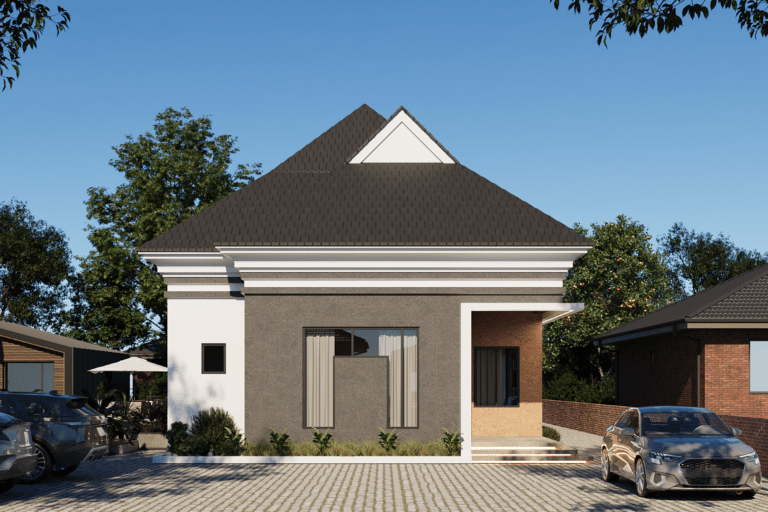
Featured Properties
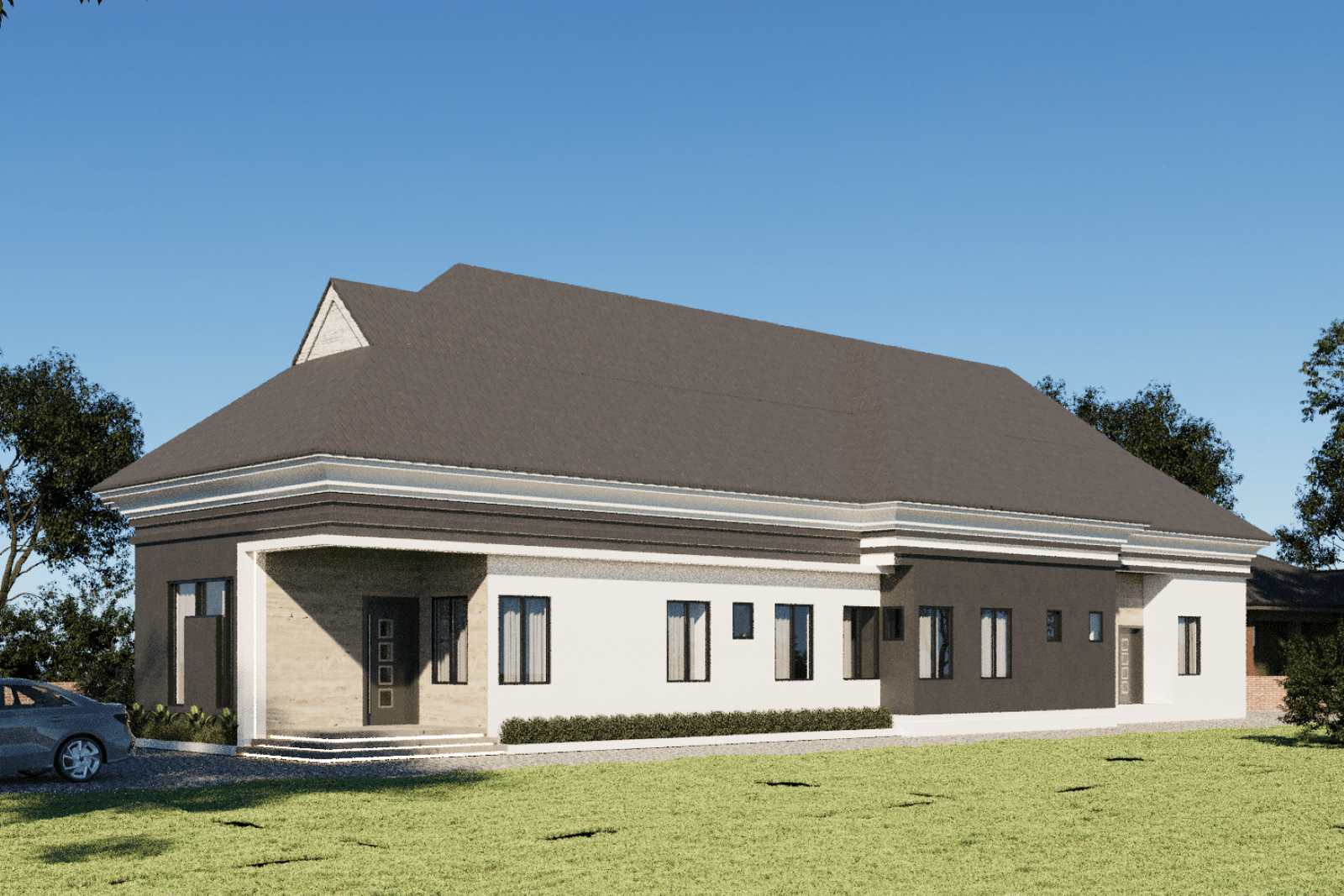
How To Build A House In Guinea
That piece of land back home in Guinea isn’t just dirt and grass. It’s a promise you made to yourself, a connection to your roots, and a legacy for your family. But turning that dream into a physical home from thousands of miles away can feel like navigating a minefield. You hear the stories,money vanishing, projects stalling, and legal battles draining years of hard work. This guide is your map through that minefield. We’re cutting through the noise to give you the real numbers, the non-negotiable legal steps, and the practical advice you need to build with confidence in 2026.
Key Notes
- In Conakry, expect to pay between 2,500,000 GNF and 4,500,000 GNF per square meter ($290 – $520), not including the cost of land.
- Do not buy land without a Titre Foncier (Land Title). A simple sales agreement offers no legal protection from fraudsters.
- Guinea’s climate is harsh. Your material choices, like quality steel rebar and alu-zinc roofing, are critical for your home’s survival.
- The national electricity (EDG) and water (SEG) services are unreliable. You need to budget for a private borehole and a solar or generator system.
- You can’t be there every day. You need a trusted professional on the ground or a platform like Propy Mould to make sure your money is building your home, not someone else’s.
The Real Cost of Building Your Home in Guinea
Let’s talk numbers. Vague online estimates won’t help you plan. In 2024, building a solid, standard-quality house in Guinea will cost you from 2,500,000 GNF to 4,500,000 GNF per square meter. That’s roughly $290 to $520 USD.
So, for a typical 120-square-meter (about 1,300 sq ft) three-bedroom house, the structure alone will run between 300,000,000 GNF and 540,000,000 GNF (around $35,000 – $62,500 USD). This price gets you the shell of the house with standard finishing. It doesn’t cover buying the land, installing high-end fixtures, or paying professional fees. Prices can also climb if your land is hard to access or if you choose premium imported materials.
Your Detailed Guinean Construction Budget Allocation
Knowing where your money is supposed to go is your first line of defense against surprise costs. Here’s how a typical budget breaks down for a home build in Guinea.
| Project Phase | Budget Allocation | Key Components |
| Foundation & Structure | 35 – 45% | Cement, steel rebar, gravel, sand, concrete blocks, and labor. |
| Finishing | 25 – 35% | Tiling, plumbing, electrical wiring, plastering, paint, windows, and doors. |
| Land Acquisition | 20 – 30% | The cost of the plot. This slice of the pie gets much bigger in desirable Conakry areas like Kipé or Nongo. |
| Contingency Fund | 10 – 15% | Your safety net for price increases, rain delays, and unexpected issues. Don’t skip this. |
| Professional Fees | 5 – 10% | Paying your architect, surveyor, notary, and covering permit fees. |
Securing Your Land The Right Way
This is where dreams are most often broken. Land disputes can cost you everything. In Guinea, the Titre Foncier (Land Title) is the one and only document that gives you definitive, state-guaranteed ownership. Trusting a simple Acte de Vente (sales agreement) or claims of customary ownership is a gamble you can’t afford to take.
Sellers might show you papers that seem official but are just administrative documents recognizing that they occupy the land,not that they own it. Without a Titre Foncier, you have no legal ground to stand on. The Ministère de la Ville et de l’Aménagement du Territoire (Ministry of City and Land Use Planning) is clear, proper registration is your only real defense against fraud and having your land taken from you.
Your Three-Step Land Verification Checklist to Avoid Scams
Follow these steps religiously before a single dollar changes hands.
- Hire a Notary and Check the Land Registry (Conservation Foncière)
Find your own qualified notary, never use one recommended by the seller. Your notary’s job is to go to the Land Registry to confirm the Titre Foncier is real, is in the seller’s name, and doesn’t have any hidden mortgages, liens, or legal disputes attached to it. - Verify Boundaries at the Cadastre
Go to the national Cadastre (survey office) to get the official survey map of the plot. Then, hire a surveyor and go to the site with them. They must confirm that the physical boundary markers, the dimensions, and the Parcel Number on the land match the map exactly. If they don’t, it’s a huge red flag for a boundary dispute. - Inquire at the Ministry of Urbanism and Housing
This final check is crucial. You need to confirm with the Ministère de la Ville et de l’Aménagement du Territoire that the land isn’t in the path of a future government project, like a new road or public building. If it is, your property could be expropriated down the line, often for very little compensation.
How to Get Your Building Permit (Permis de Construire)
Building without a permit is not just illegal, it’s a risk to your entire investment. The Permis de Construire (Building Permit) is required for any new construction. Authorities in Conakry are cracking down, and projects without a permit face immediate shutdown, large fines, and even demolition. A valid permit also ensures you can legally sell or get a loan on your property in the future.
Assembling Your Application Dossier, The Required Documents
You’ll need to submit a specific file of documents to your local urban planning office.
- Proof of Ownership- A certified copy of your Titre Foncier.
- Architectural Plans- Between 5 and 7 sets of your site plan, floor plans, and elevations. These must be stamped by an architect who is a member of the Ordre des Architectes de Guinée (Order of Architects of Guinea).
- Structural Calculations- For any building taller than one story, you’ll need an engineer’s report to prove its stability.
- Tax Clearance- Proof that your property taxes are paid up to date.
- Application Form– The official request form from the local government office.
The official timeline is about 90 days, but government delays are common. You or your project manager will need to follow up regularly to keep your application moving.
Choosing the Right Materials in Guinea
Guinea’s climate is not forgiving. The intense rainy season, which runs from May to October, can destroy a poorly constructed home. Choosing materials isn’t just about looks,it’s about fighting back against humidity, mold, and powerful storms. Your priorities should always be moisture resistance and good airflow.
Foundation and Walls, Local Earth vs. Conventional Cement
- Cement Blocks- This is the industry standard for a reason. They’re strong and reliable. The downside is that they absorb and trap heat, making your house hotter and increasing the need for air conditioning.
- Laterite Bricks- These local red earth bricks are cheaper and provide much better natural insulation, keeping your home cooler. However, their quality can be inconsistent, and they need excellent waterproofing to withstand the rain.
- Compressed Stabilised Earth Blocks (CSEBs)- A great modern compromise. CSEBs are strong, uniform, and eco-friendly. They offer the cooling benefits of earth bricks but are much more durable. The catch is they require special machinery to make.
Structure and Roofing, Imported Strength for Durability
- Steel Rebar- This is not the place to cut costs. Always use high-grade, imported steel to reinforce your concrete. Cheap local rebar can rust quickly in the humid air, weakening the entire structure of your home.
- Metal Roofing- Corrugated aluminum or alu-zinc sheets are the best choice for dealing with heavy rain. They can be noisy during a downpour, so be sure to install a quality ceiling with insulation to dampen the sound and block heat.
- Hardwood- Local wood is often used for the roof structure. Make sure every piece is thoroughly treated against termites and rot before it’s installed.
Power, Water, and Waste, Planning for Self-Sufficiency
While Guinea’s public infrastructure is getting better, it’s not yet consistent. To have a comfortable, modern home, you can’t rely on government utilities. You have to build for independence.
Solving the Electricity Challenge
The national power company, Électricité de Guinée (EDG), is known for frequent power cuts, or délestage.
The Strategy, You need a hybrid power system. A diesel generator is great for immediate, heavy-duty backup. But for clean, quiet, everyday power, a solar panel system with battery storage is the way to go. It will lower your fuel costs and protect your electronics from power surges.
Securing Your Water Supply
The national water company- Société des Eaux de Guinée (SEG), struggles with inconsistent pressure and availability.
The Strategy- Drilling a private borehole (forage) has become standard for new homes. It gives you access to water 24/7. The system includes a pump and a water storage tank, usually placed on the roof.
Cost- Set aside between 20,000,000 GNF and 40,000,000 GNF to have a borehole drilled and the equipment installed.
Managing Wastewater
Most residential areas in Guinea do not have a central sewage system.
The Strategy- You are required to build a reinforced concrete septic tank (fosse septique) that drains into a soakaway pit (puisard). Make sure it’s sized correctly for your house to avoid problems later.
Managing Your Project From Abroad
The single biggest threat to your project isn’t the price of materials,it’s poor management. Being far away opens the door for funds to be misused, quality to be compromised, and progress to grind to a halt.
- Hire a Professional- Don’t just rely on a family member. While their intentions may be good, they might not have the technical knowledge to oversee construction. Hire an independent engineer or project manager to be your expert on the ground.
- Be Careful with Power of Attorney- If you need someone to act on your behalf, give them a limited Power of Attorney for specific tasks, like signing for a permit. Never give anyone a general power of attorney that grants them broad control.
- Use Technology to Your Advantage- Insist on weekly video tours and photo updates. Platforms like Propy Mould offer a transparent way to see progress, approve work, and release payments only when milestones are met.
- Plan Your Visits Strategically- Try to be in Guinea for the most critical stages, when the foundation is poured, when the roof goes on, and during the final finishing touches.
Building your home in Guinea is more than a construction project, it’s the foundation of a legacy. By securing your land correctly, budgeting wisely, and managing the process with a clear head, you’re not just building walls,you’re building a secure future. For those who want a partner to manage these details with total transparency, Propy Mould has the experience to bring your vision to life, step by step.
Frequently Asked Questions
How much does a 3-bedroom house cost to build in Conakry, Guinea?
For the structure and basic finishes of a standard 120-square-meter home, you should budget between $35,000 and $62,500 USD (approximately 300 million to 540 million GNF). This price covers the core construction from the foundation to the roof, including essential finishes. However, it does not include the cost of the land, building a perimeter wall, connecting utilities like a borehole or solar system, or any luxury upgrades.
A report from the Republic of Guinea Ministry of Urbanism notes that material costs can change quickly, so it’s smart to add at least a 15% contingency fund to your budget from day one.
Can a foreigner or someone with dual nationality buy land in Guinea?
Yes, absolutely. Foreign nationals and Guineans with dual citizenship have the legal right to own land and property in Guinea.
Guinea’s land law, the Code Foncier et Domanial, permits foreign ownership, but there’s a critical condition, the land must have a proper title. This means you must secure a Titre Foncier to have legally protected ownership.
The Invest in Guinea Agency (APIP-Guinée) advises all foreign buyers to use a reputable notary to manage the sale and ensure the title is correctly transferred and registered in your name at the national Land Registry.
What is a Titre Foncier and why is it so important?
The Titre Foncier is the official, state-issued land title that serves as the ultimate proof of legal ownership in Guinea. It is your single most important document. Unlike a simple sales receipt (Acte de Vente), the Titre Foncier is recorded in a national government database, making your ownership rights indisputable and protecting you from other people claiming the same land.
Building on land without this title is a massive risk, as you could fall victim to ‘double selling’,a common scam where a dishonest seller sells the same plot to multiple buyers. If a seller tells you the title is ‘in process,’ do not pay until it is officially issued and verified.
How do I avoid land scams and property fraud in Guinea?
Your best defense is a strict, three-part verification process before any money is exchanged. Don’t skip a single step. First, hire your own notary to verify the Titre Foncier at the Land Registry. Second, hire a surveyor to physically inspect the land and confirm its boundaries and parcel number match the official map from the Cadastre.
Third, check with the Ministry of Urbanism to ensure the land is not zoned for future public use. As highlighted in investigative reports by publications like Jeune Afrique, nearly all diaspora land fraud cases result from buyers skipping this professional due diligence.
Is it cheaper to build a house or buy a ready-made one in Guinea?
Building your own house is usually more cost-effective and gives you complete control over the quality, but buying an existing house is faster. A pre-built home often comes with a 20-30% price markup over its actual construction cost and can have hidden structural problems.
When you build from scratch, you can manage your cash flow, select better materials like high-grade steel, and ensure the work is done right. If you have a reliable project manager, building offers a better return on your investment. If you need to move in right away, buying is your only real choice.
How long does it take to get a building permit (Permis de Construire)?
The official government timeline is 90 days, but in reality, it often takes longer unless someone is actively following up on your application.
The process involves submitting your architect’s plans, proof of land ownership, and engineering reports to the local municipal office. Delays are frequently caused by incomplete paperwork or administrative backlogs. To avoid stalling your project, it’s best to submit your complete application file several months before you plan to break ground.
What are the most common hidden costs when building a house in Guinea?
The biggest surprise expenses are usually utility connections, the perimeter wall, and transportation logistics. Drilling a borehole for water and installing a septic system can easily add thousands of dollars to your total cost. A strong perimeter wall (clôture) is also essential for security in Guinea and can be surprisingly expensive.
Furthermore, if your site has poor road access, the cost of transporting materials, especially during the rainy season, can go up dramatically. It’s a good idea to create a separate budget line item for ‘Site Prep and Utilities’ to cover these costs.
What is the best way to manage my construction project from the UK or USA?
Hire an independent professional to oversee the project on your behalf instead of relying only on family. While family members mean well, they may not have the technical skills to spot poor workmanship or the confidence to hold contractors accountable. An experienced project manager or a technology platform acts as your eyes and ears, verifying that materials are correct and work is progressing according to plan.
As a rule, never release the next payment until you have received clear photo and video proof that the previous stage of work has been completed to your satisfaction.
How can I find a reliable architect and builder in Guinea?
Start by verifying their credentials with the Ordre des Architectes de Guinée (Order of Architects) and ask for a portfolio of past projects. A registered architect is professionally and legally responsible for making sure their designs comply with building codes.
When vetting builders, ask to see homes they have completed and, if possible, visit them to see how the buildings have held up over time. Vetting professionals is a key service offered by platforms like Propy Mould, which ensures contractors meet the standards expected by diaspora investors.
What are the best materials to use for Guinea’s rainy season?
You need to build with materials that can handle extreme moisture. Focus on concrete, high-quality metal roofing, and properly treated wood. The heavy rains in Guinea can damage or destroy weak materials. Unstabilized mud bricks can erode, and cheap steel will rust and compromise your home’s structure. Opt for either cement blocks or Compressed Stabilised Earth Blocks (CSEBs) for your walls.
According to World Bank studies on climate-resilient infrastructure, spending a bit more on moisture-resistant materials from the start will save you a great deal on repairs in the long run.
Do I really need a borehole and a generator for my new house?
Yes, for a modern and comfortable lifestyle in Guinea, they are not luxuries,they are essential.mThe public power and water grids are not reliable enough to provide 24/7 service in most residential neighborhoods.
Without your own backup systems, you will regularly face long periods without electricity or running water, which impacts everything from food safety to basic hygiene. A good strategy is to have your borehole drilled early in the process so you can use the water for the construction work itself.
How can I finance my construction project in Guinea?
Most diaspora builders finance their projects with personal savings, often building in stages as funds become available. However, some local banks are beginning to offer mortgage products to non-residents. Building as you save is the most common approach. Some pan-African banks like Ecobank may have home financing options, but they will require you to have a verified Titre Foncier and proof of steady income from abroad.
Financial articles in publications like Guinéenews suggest that it may be more advantageous to secure a personal loan in your country of residence (like the US or UK), as the interest rates are often significantly lower than those for a Guinean mortgage.